



Water-Saving Gardening Tips
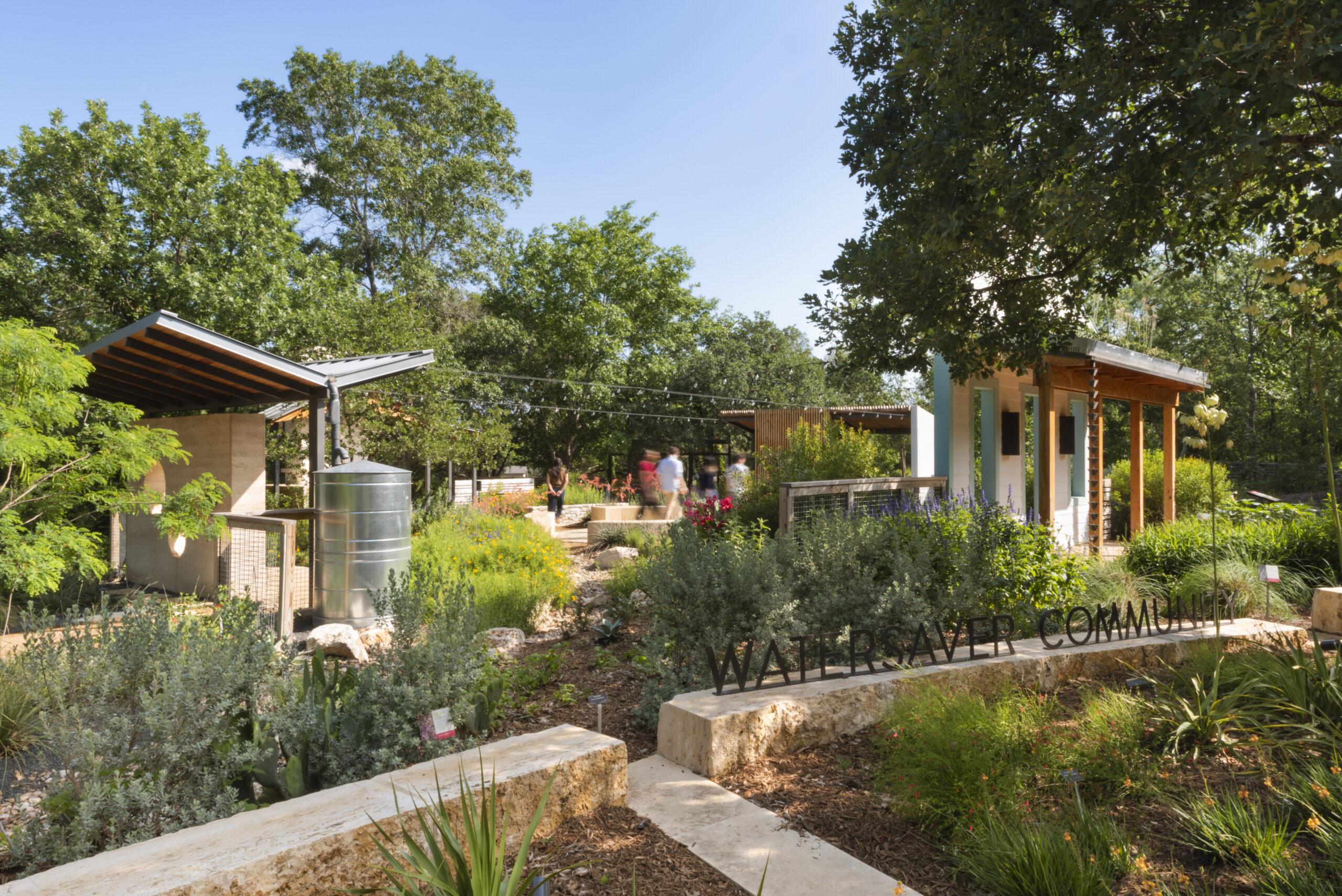
Essential Principles
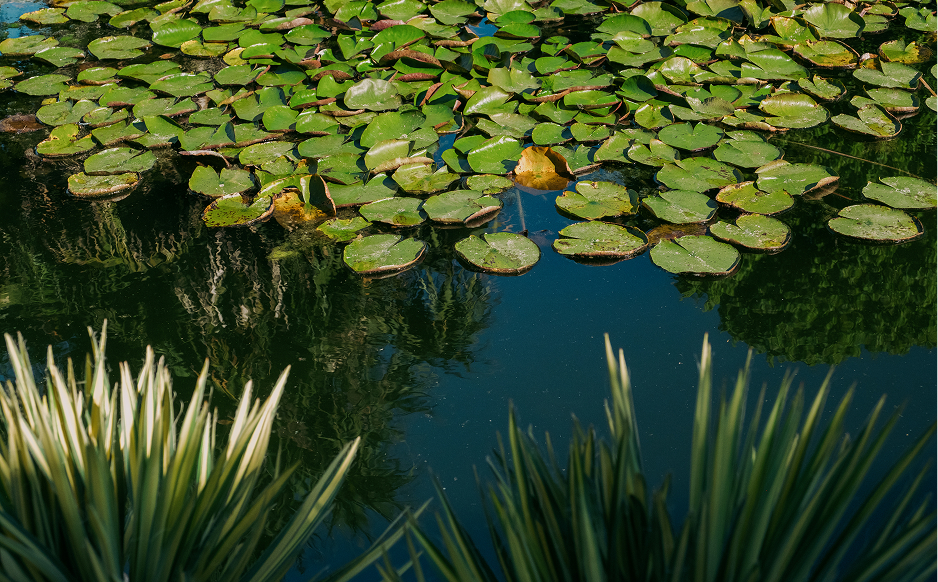
01 | Choose Native or Drought-Tolerant Plants
Plants adapted to dry conditions require less supplemental watering once established. Many native and adapted plants thrive in Central Texas heat. These plants often have deeper roots or water-saving leaf structures. Choosing the right plant reduces long-term water use.

02 | Consider Lawn Alternatives
Switch your traditional grass for Native sedges or Habiturf® which is a blend of Bouteloua dactyloides (buffalograss), Bouteloua gracilis (blue grama), and Hilaria belangeri (curly mesquite). Once established, these grasses require less water, and less mowing.
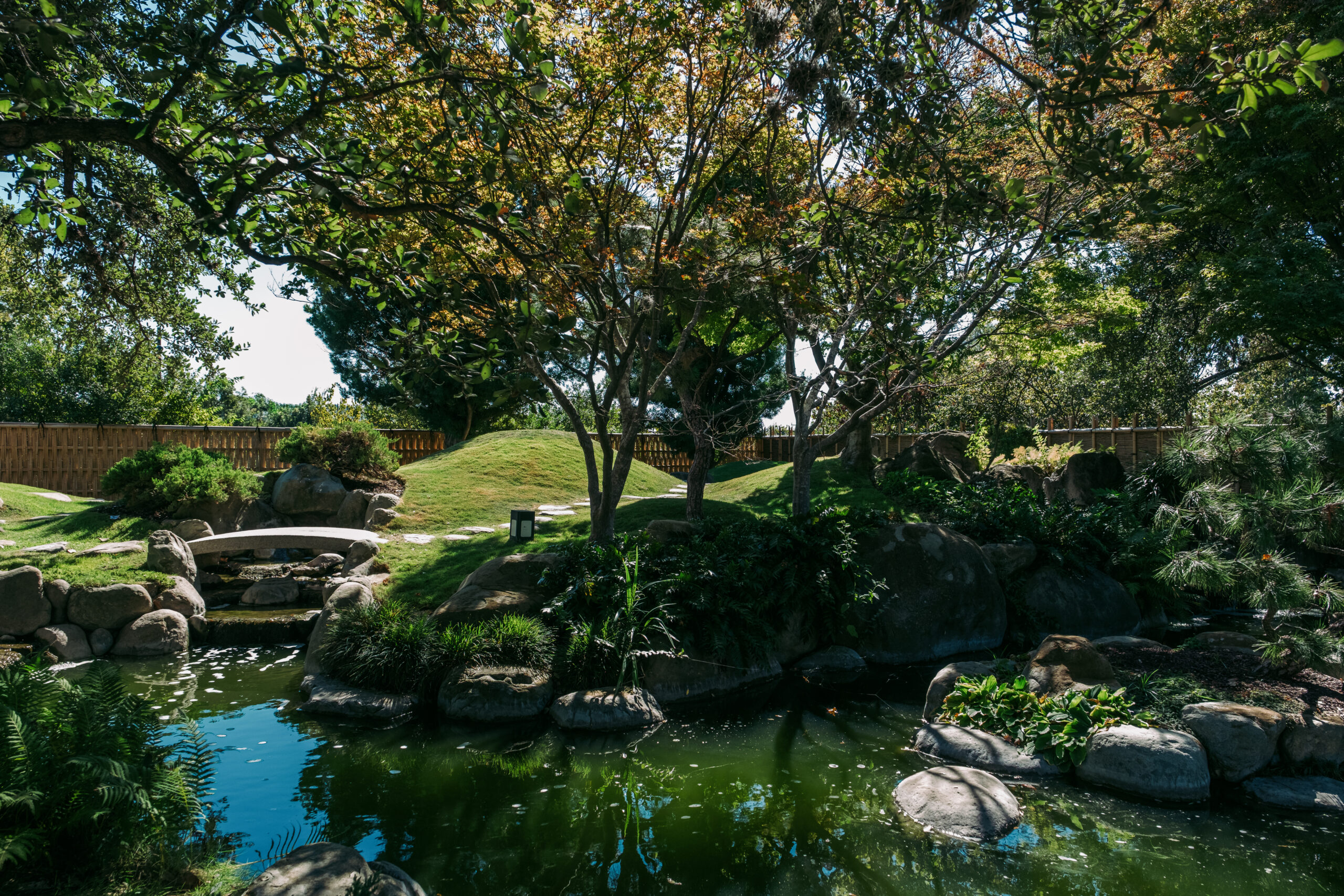
03 | Take Care of Your Trees
A well-placed tree provides shade that cools surrounding soil, reducing evaporation and water loss. Shaded garden beds and lawns require significantly less irrigation. Trees also lower ambient temperatures, creating a more comfortable microclimate for people and plants alike.
04 | Water Deeply and Less Often
Deep watering encourages plants to grow strong, resilient root systems that reach farther into the soil. Shallow, frequent watering keeps roots near the surface, where they dry out quickly. In Central Texas, watering deeply once or twice a week is often more effective than daily watering. Always adjust based on rainfall and temperature.
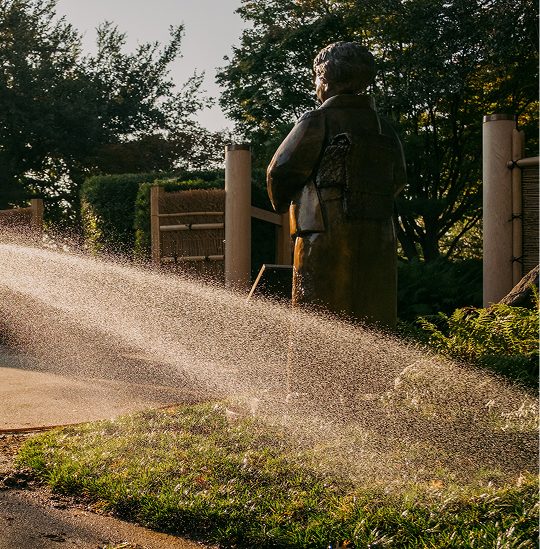
05 | Water Early in the Morning
Morning watering reduces water loss from evaporation and gives plants time to absorb moisture before the heat of the day. Wet foliage has time to dry, lowering the risk of fungal diseases. Avoid watering in the evening, which can leave plants damp overnight. A consistent morning routine is one of the simplest water-saving habits.

06 | Mulch Generously
A 2–3 inch layer of mulch helps keep soil cool, reduces evaporation, and suppresses weeds that compete for water. Organic mulches like shredded bark or leaves also improve soil as they break down. Mulch acts as insulation during temperature swings, protecting roots year-round. Replenish mulch as it decomposes.
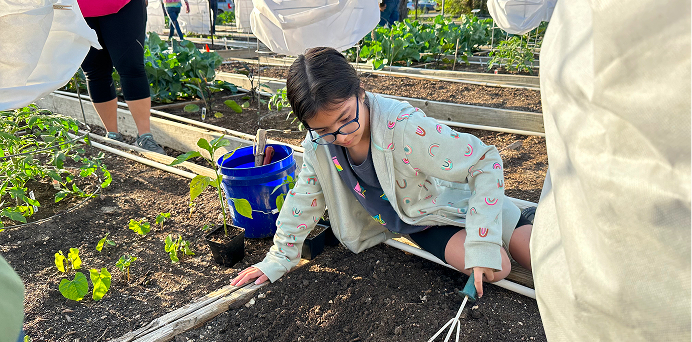
07 | Improve Soil Health
Healthy soil holds water more effectively and releases it slowly to plant roots. Adding compost increases organic matter and improves soil structure. Soil improvement is one of the most impactful long-term water-saving strategies.
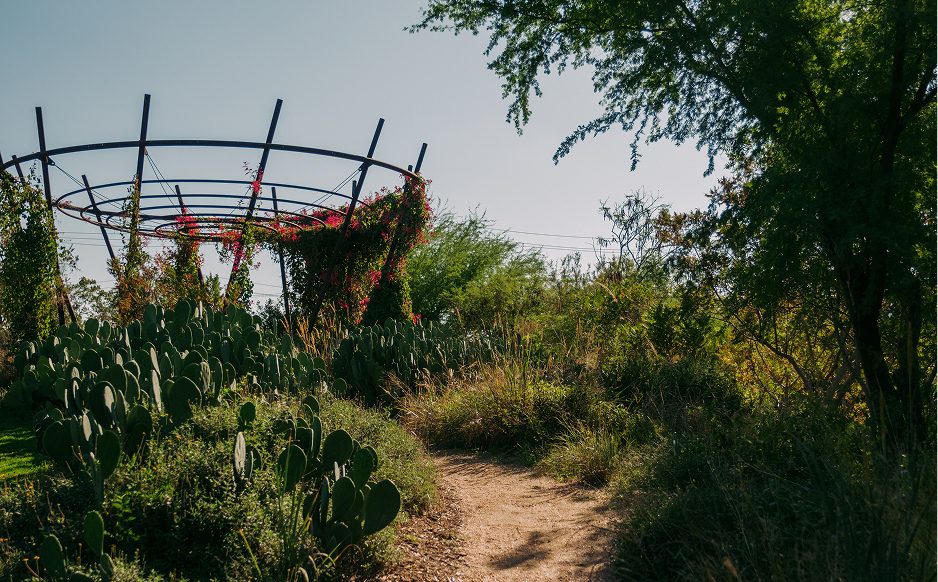
08 | Capture Rainwater When Possible
Rain barrels collect water that can be reused for garden beds and containers. Even small amounts of captured rain can make a difference. Always follow local guidelines for rainwater harvesting.
What’s
Beautiful Now?
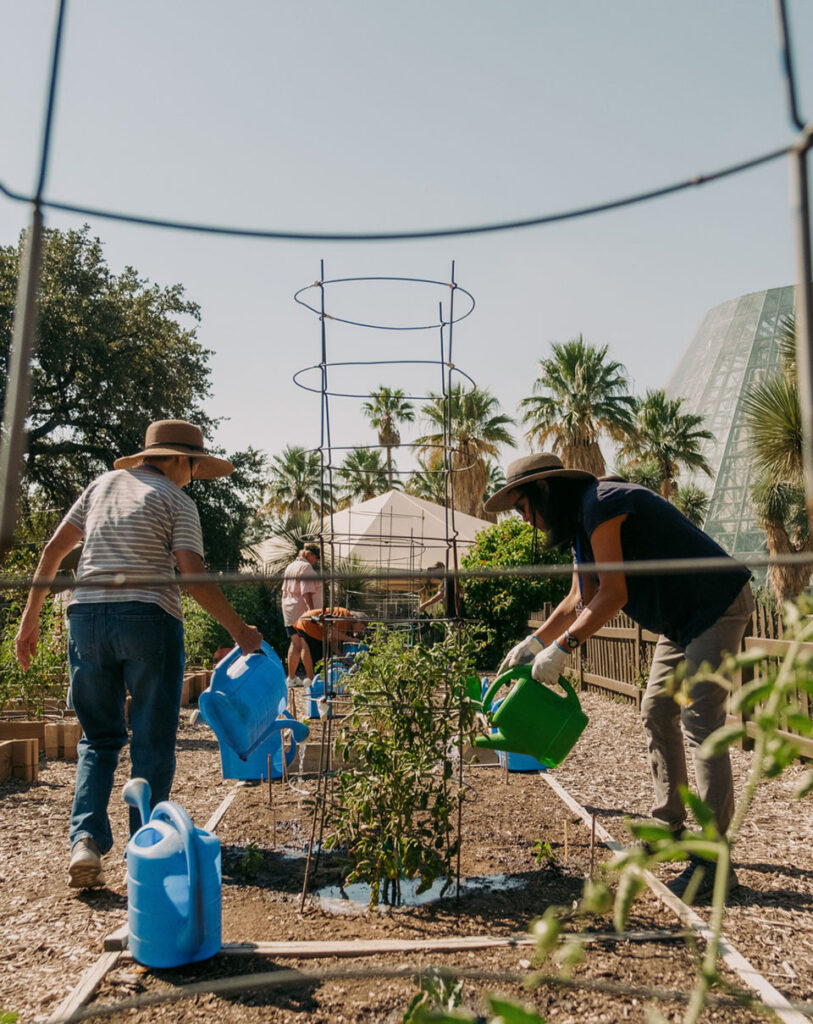
Community
Children’s Vegetable Garden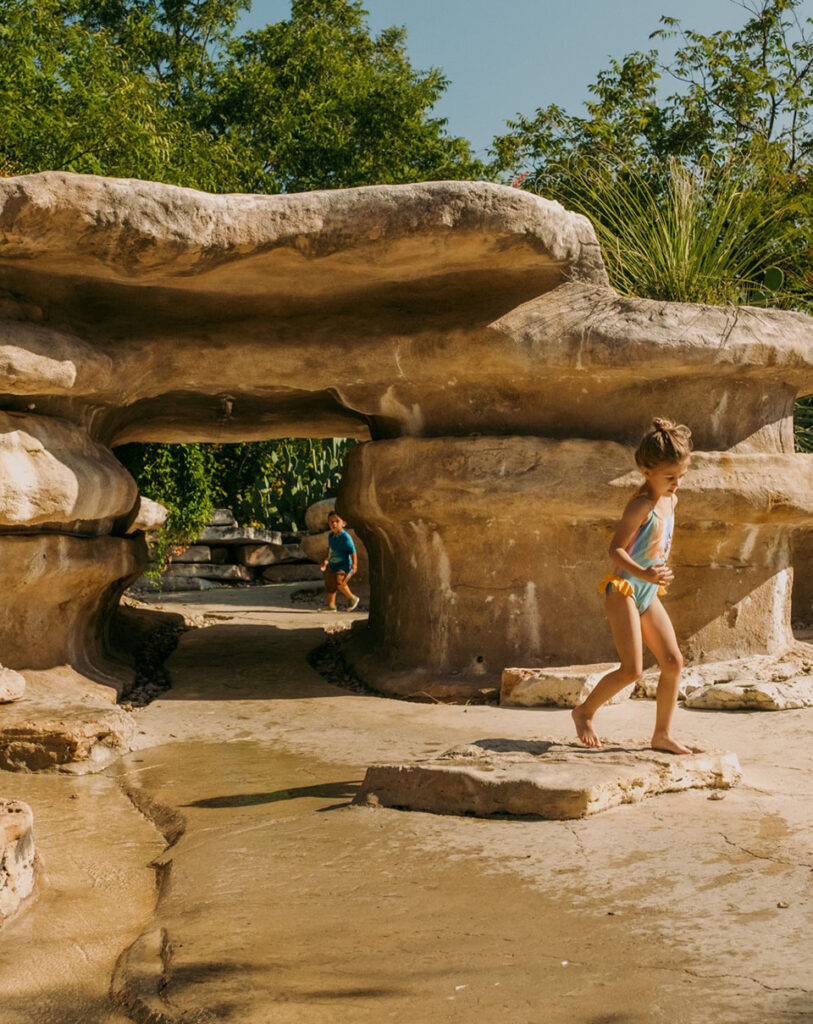
Community
Family Adventure Garden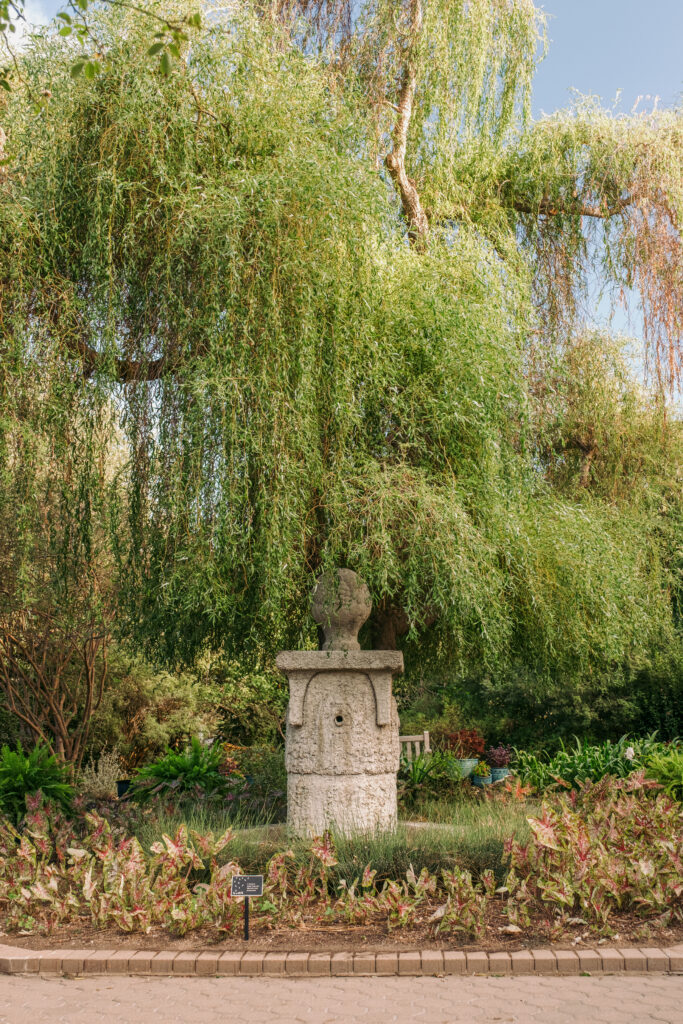
Community
Formal & Display Gardens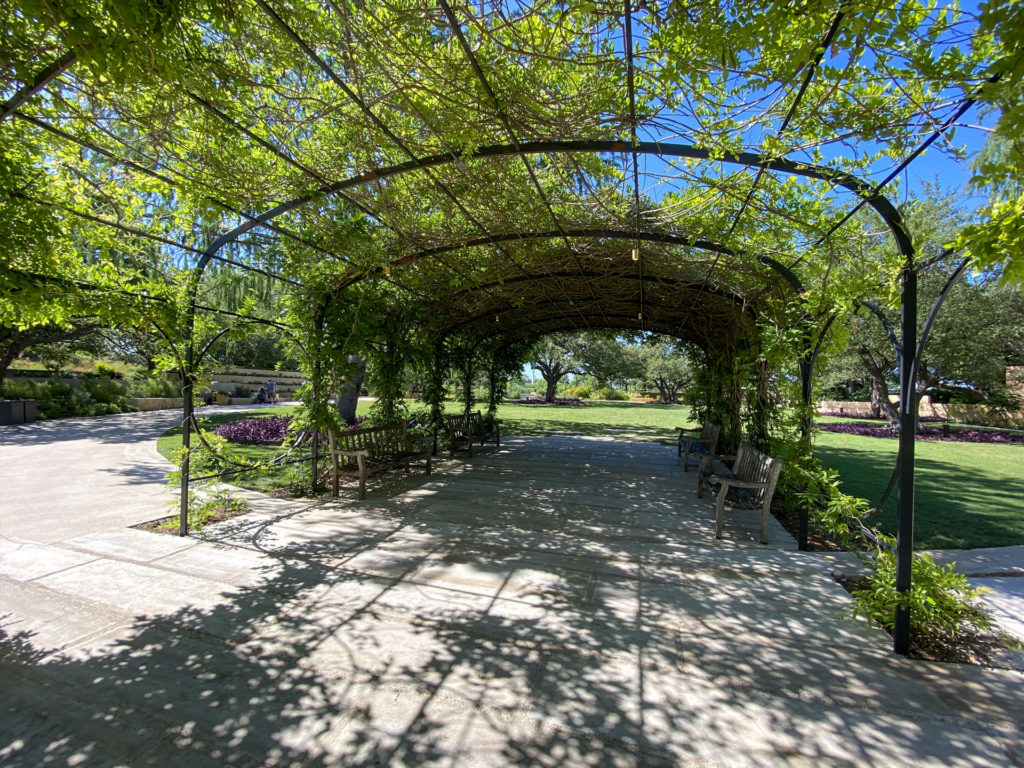
Community
Greehey Lawn
Art & Culture
Kumamoto En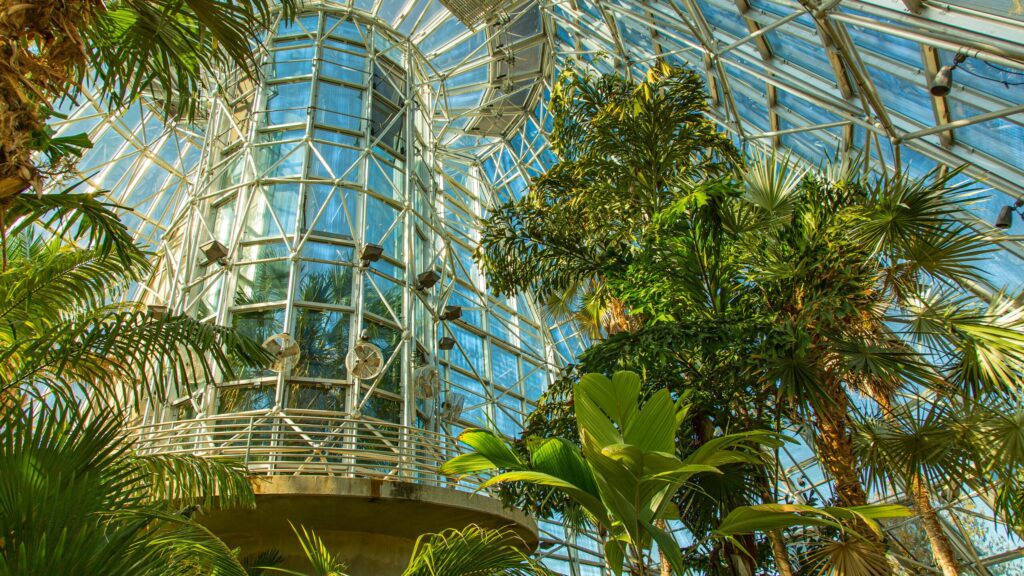
Community
Lucile Halsell Conservatory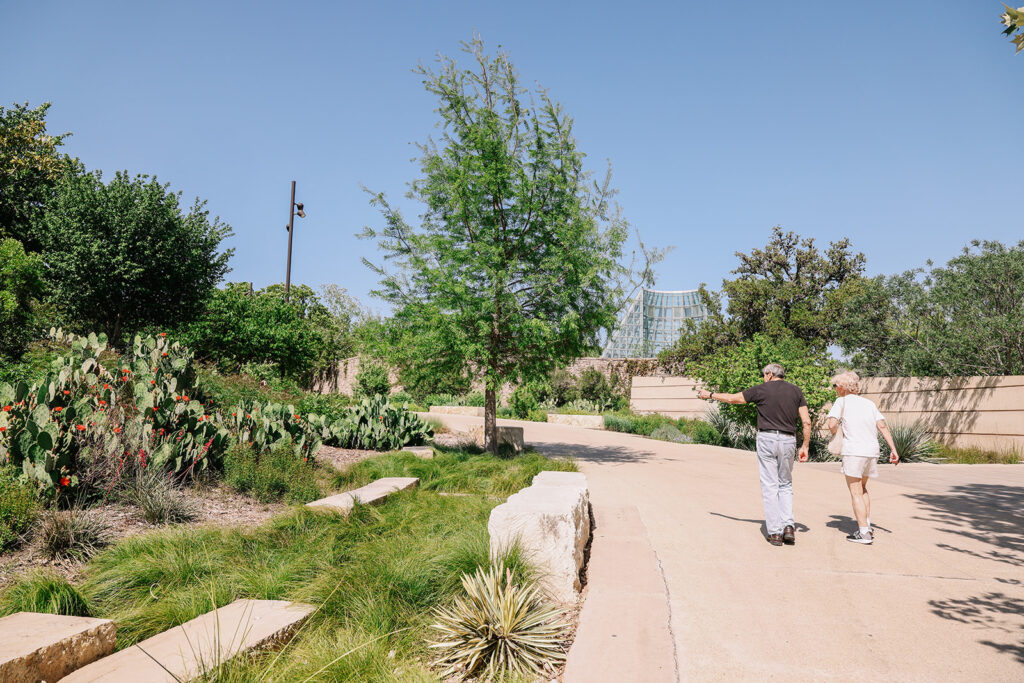
Community
Mays Family Display Garden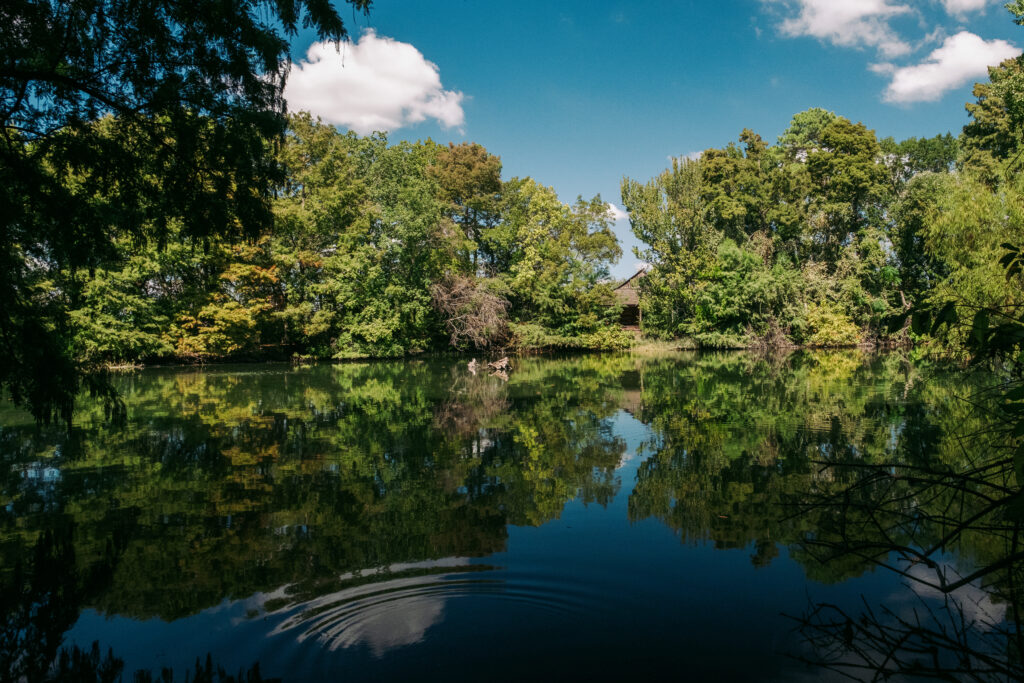
Community
Texas Native Trail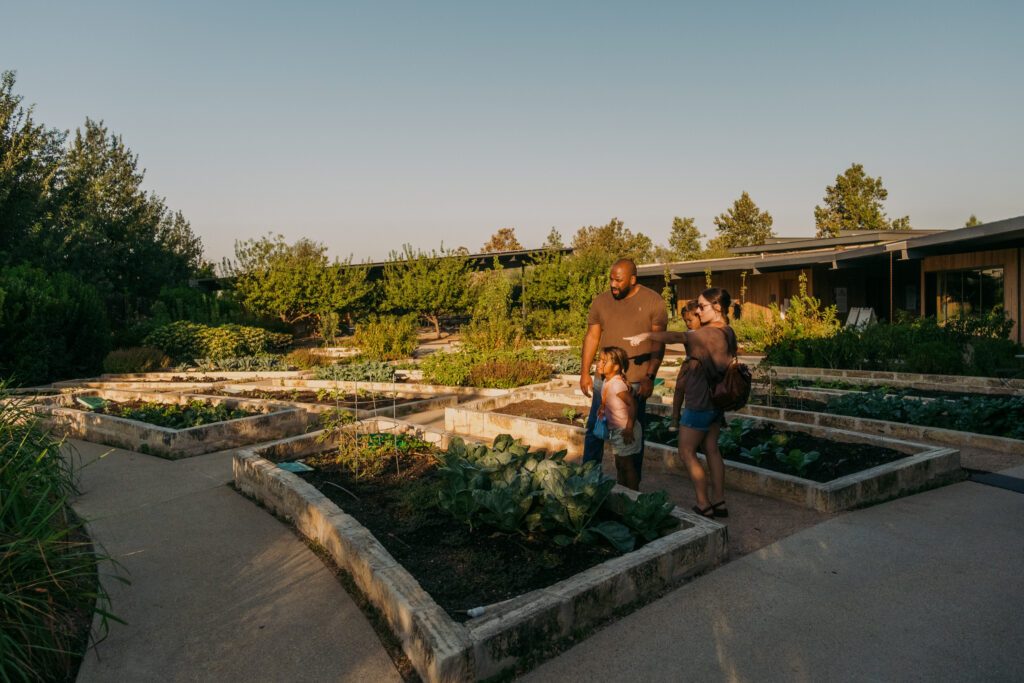
Community
The Zachry Foundation Culinary Garden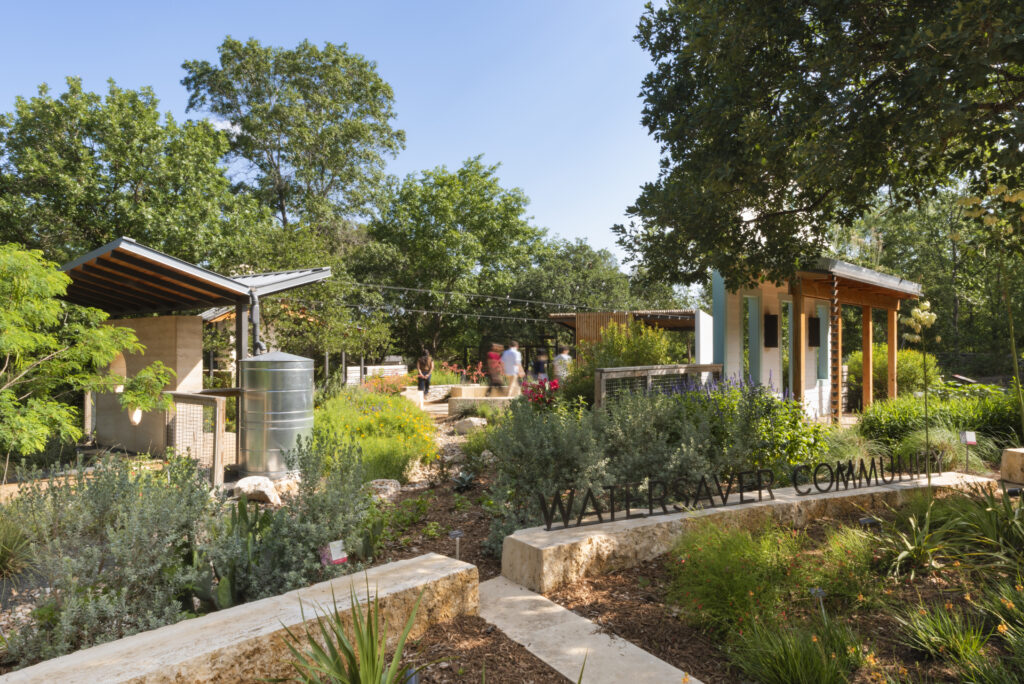
Community
WaterSaver Community