


Built, Not Grown
Some of the Garden’s most iconic spaces are designed, not grown, supporting conservation, learning, and connections between people and plants.
Architecture That Shapes How
Visitors Arrive, Explore, and Gather.
The Lucile
Halsell Conservatory
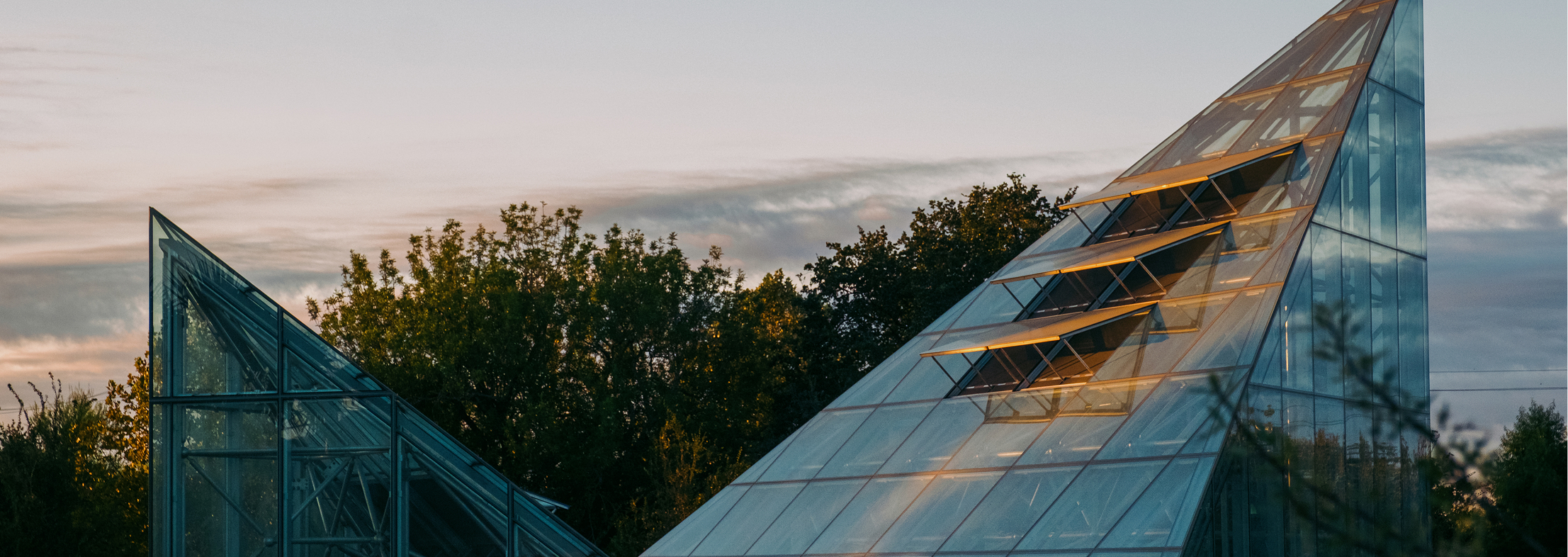
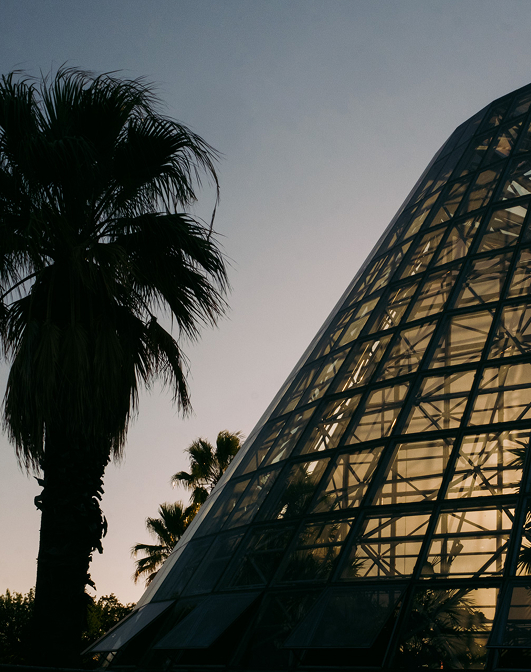
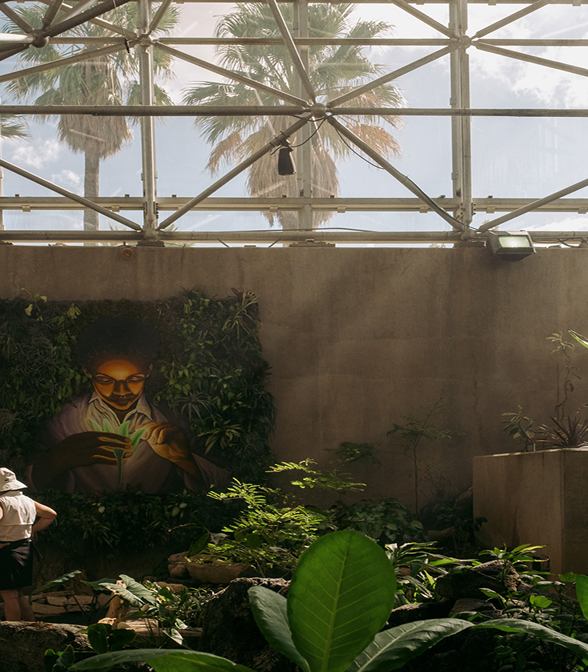
A landmark of the Garden, the Lucile Halsell Conservatory features immersive plant environments within an iconic, landscape-integrated design.

Welcome &
Discovery Spaces
The Garden’s welcome spaces create a seamless transition from city to nature, orienting visitors and setting the tone for exploration.

Gathering &
Learning Spaces
Flexible gathering spaces support education, programs, and community events while remaining closely connected to the surrounding gardens.

Circulation & Connectivity
Paths, shaded corridors, and transitions shape how visitors move through the Garden, improving accessibility and flow between spaces.

The Lucile
Halsell Conservatory
A landmark of the Garden, the Lucile Halsell Conservatory features immersive plant environments within an iconic, landscape-integrated design.
Welcome &
Discovery Spaces
The Garden’s welcome spaces create a seamless transition from city to nature, orienting visitors and setting the tone for exploration.
Gathering &
Learning Spaces
Flexible gathering spaces support education, programs, and community events while remaining closely connected to the surrounding gardens.
Circulation & Connectivity
Paths, shaded corridors, and transitions shape how visitors move through the Garden, improving accessibility and flow between spaces.
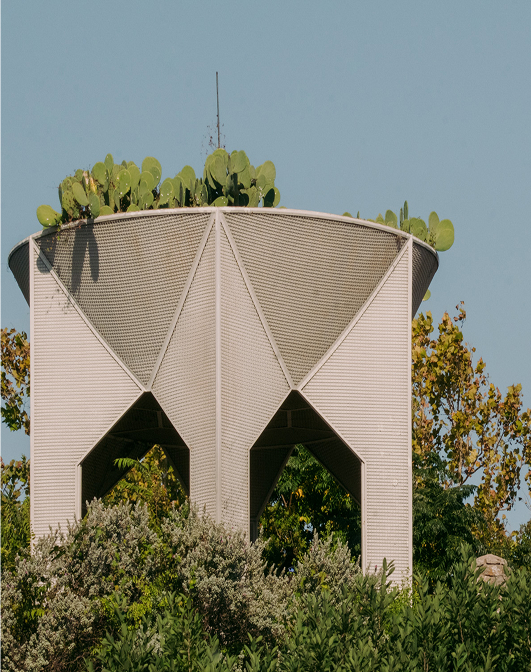
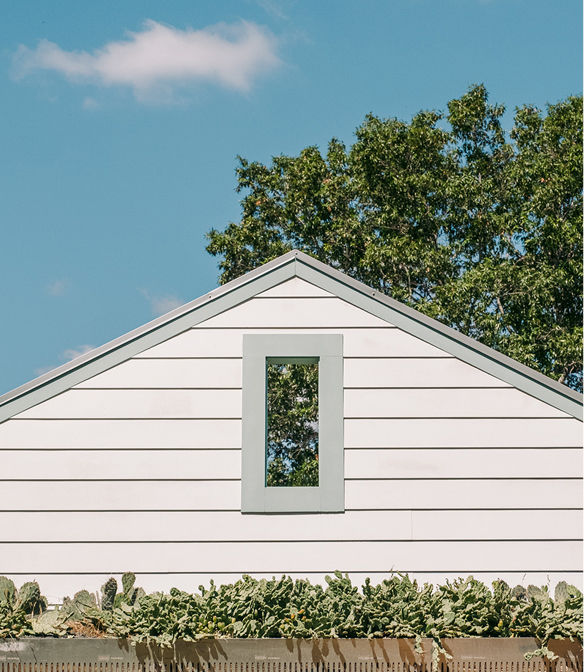
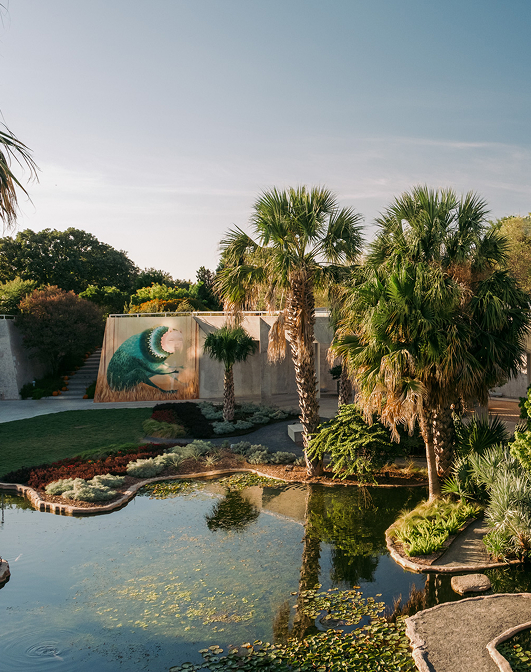
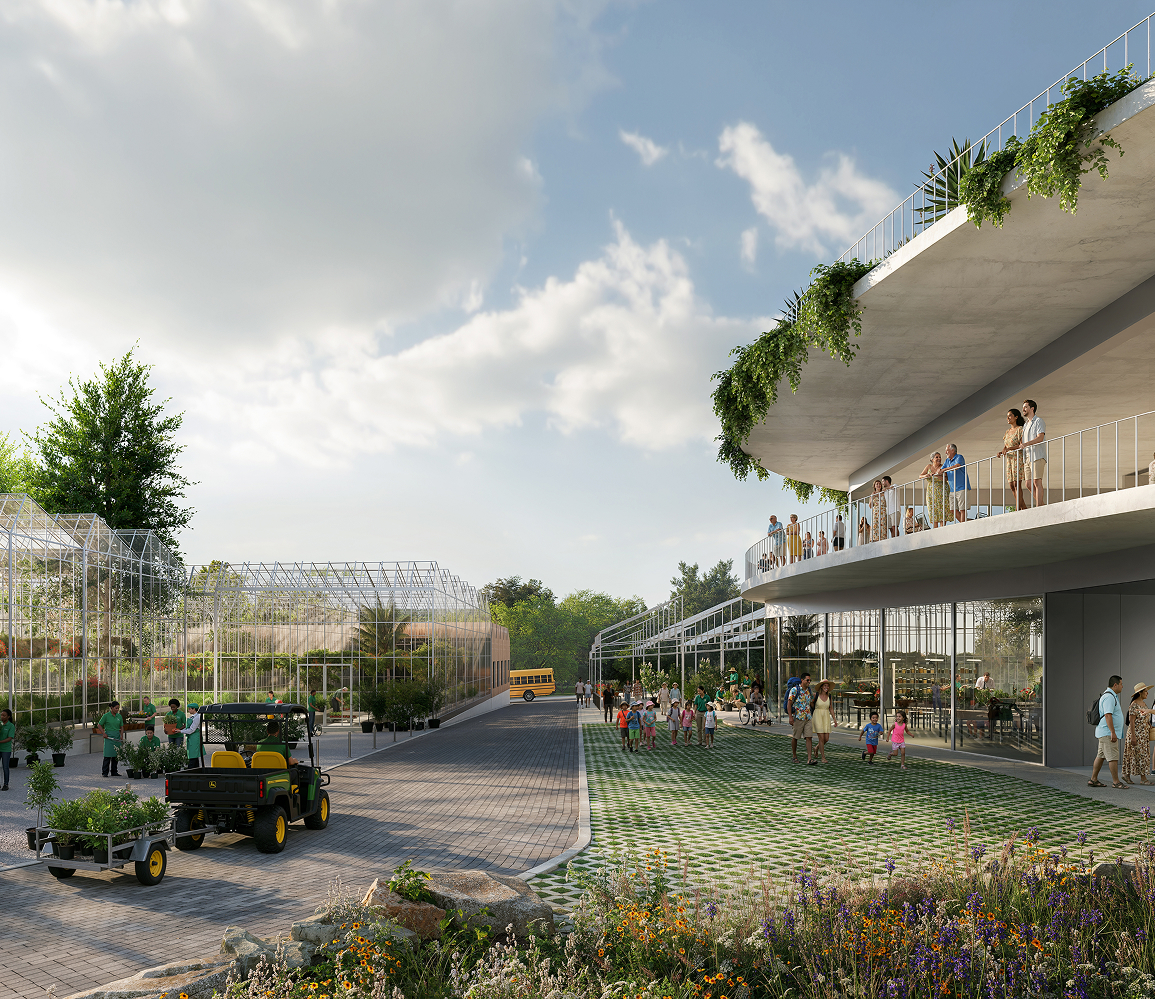
The Garden’s architecture continues to evolve. Guided by a long-term strategic master plan, future enhancements will improve accessibility, circulation, and learning environments while honoring the Garden’s architectural legacy.

This Alone
The Garden’s built spaces reflect collaboration between designers, planners, supporters, and the community. Through shared stewardship, these spaces continue to grow alongside the living collections they support.