



Seasonal Gardening - Summer
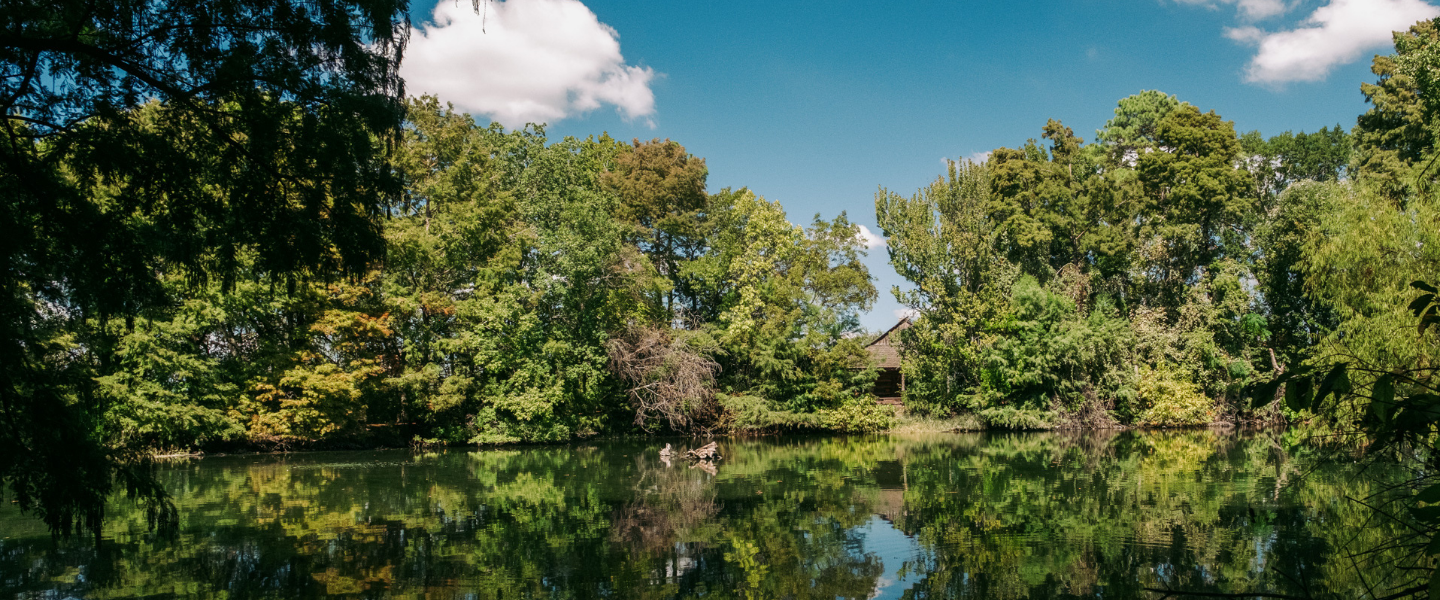
Summer in San Antonio is not subtle.
The sun turns intense, the heat settles in, and the garden begins to reveal which plants are truly built for South Texas. Some plants pause, some sulk, and the toughest ones keep right on growing. This is the season of mulch, early morning watering, and careful observation. While the pace of blooming may slow, summer is still full of life, and it is also the time when smart gardeners start preparing for the surprisingly productive fall season ahead.
When to Water
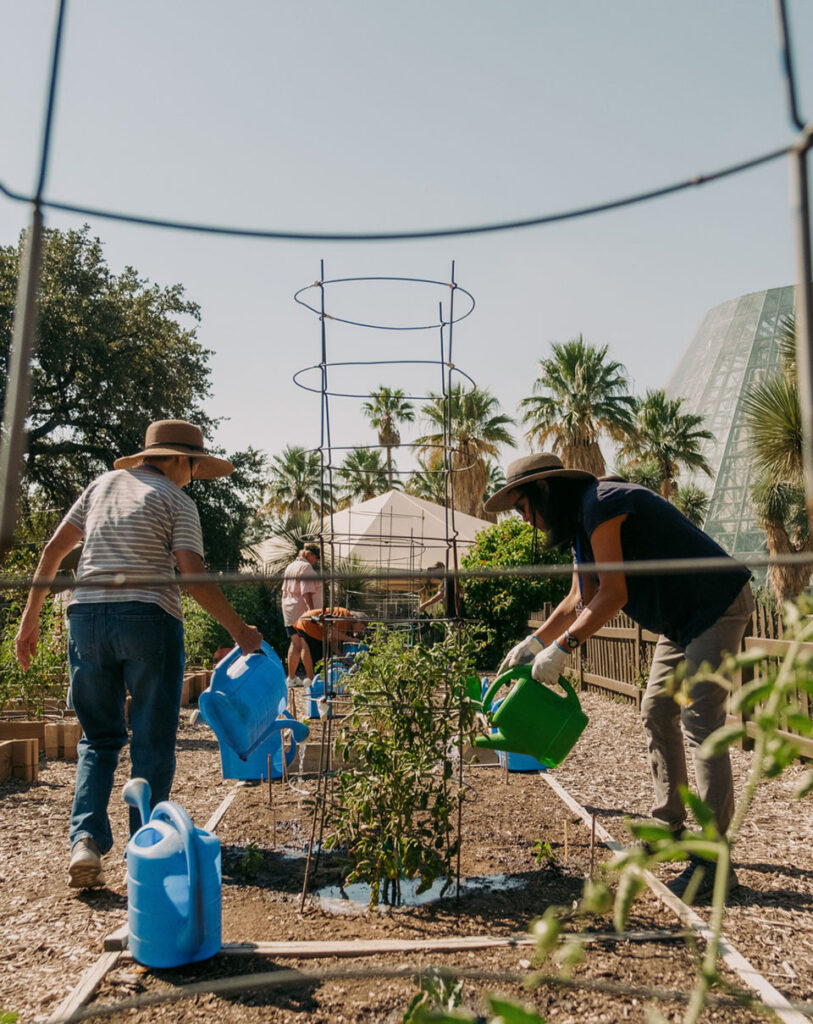
Water early in the morning, following local watering restrictions, to reduce evaporation and help limit disease and insect issues associated with prolonged nighttime moisture.
How to Water
Focus on deep, efficient watering rather than frequent shallow watering so roots grow deeper and plants become more resilient during prolonged heat.
Using Mulch
Maintain or refresh mulch around trees, shrubs, flowers, and vegetables to help reduce heat stress, conserve moisture, and suppress weeds, but keep mulch pulled back from stems and trunks.
Pruning
Cut back selected reblooming and fall-blooming perennials in mid-summer, such as reblooming salvias, Mexican bush sage, Mexican mint marigold, and summer phlox, to keep plants compact and encourage a stronger fall display. Avoid hard pruning on plants that are simply heat-or drought-stressed, since they often need water and recovery rather than a severe cutback.
Patience
Be patient with blooming plants. Many ornamentals slow blooming during peak heat as a normal stress response, then rebound when temperatures ease.
Close Care
Monitor newly planted trees and shrubs carefully, since they are especially vulnerable during their first summer. Even established trees may benefit from occasional deep soaking during prolonged drought.
Lawn Care
Mow lawns at the proper height and avoid scalping turf, which increases heat stress and causes the soil to dry out more quickly.
Using Clippings
Leave grass clippings on the lawn when practical to help return nutrients and organic matter to the soil, rather than removing them unnecessarily.
Replanting
Remove declining spring vegetable crops, weeds, and spent plant material from garden beds before replanting for fall.
Preparation
In late August and early September, prepare beds for fall vegetables by adding 1–3 inches of compost or other organic matter and incorporating it into the soil. Fall crops need full sun and well-drained soil, just like the spring garden.
Weeding
Control weeds while they are still small, since shallow cultivation and mulching are more effective than waiting until weeds are mature and reseeding.
Fertilizing
Avoid overfertilizing during peak summer heat, especially with high-nitrogen products, since forcing lush growth can increase plant stress. For vegetable beds, use fertilizer only as needed and based on crop stage and soil conditions.
Irrigiation
Check irrigation coverage and repair leaks, clogged emitters, or misdirected spray heads so water is going to plants rather than pavement.
Learn More with The Garden
The San Antonio Botanical Garden offers classes, workshops, and seasonal programs that explore these gardening practices in greater depth.
Community
Children’s Vegetable Garden
Community
Family Adventure Garden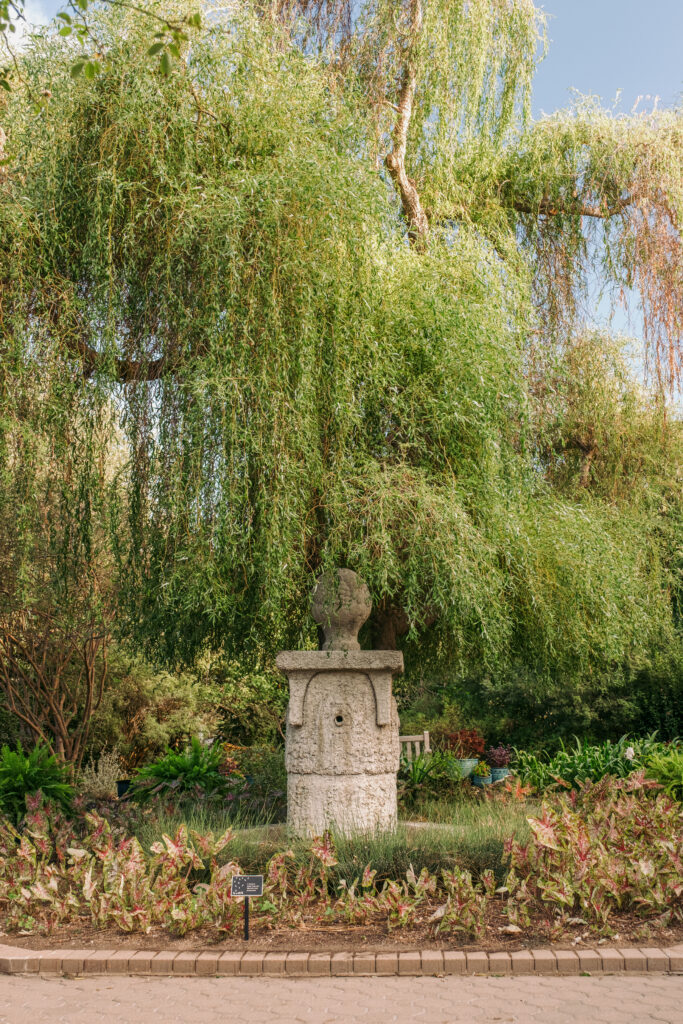
Community
Formal & Display Gardens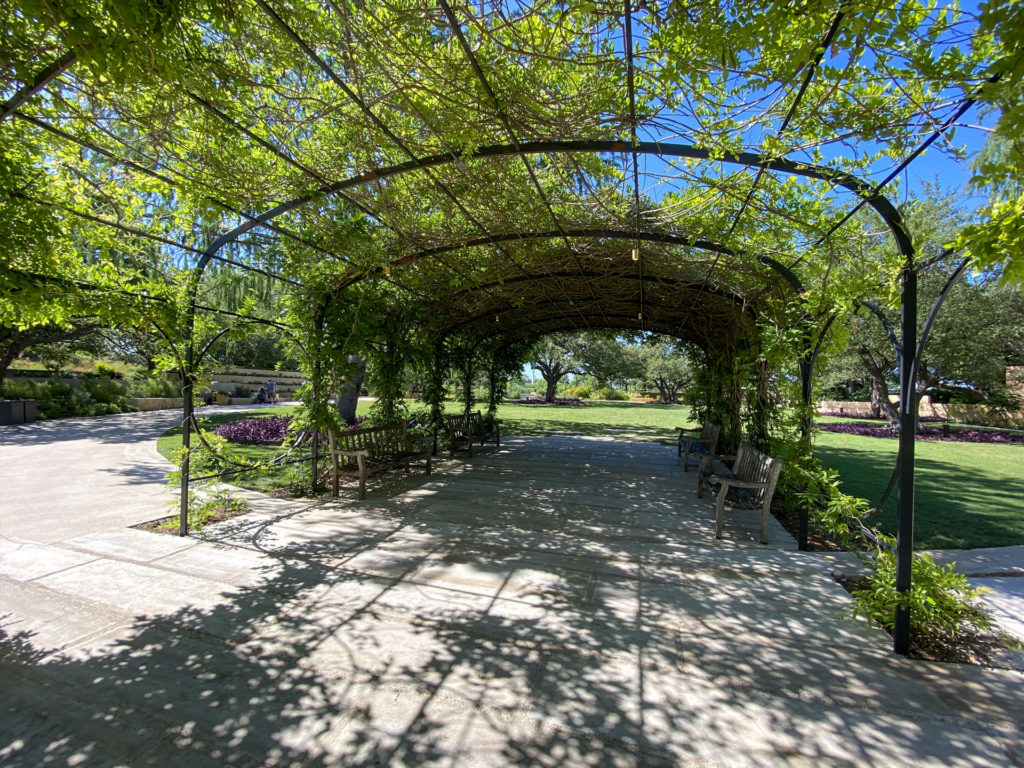
Community
Greehey Lawn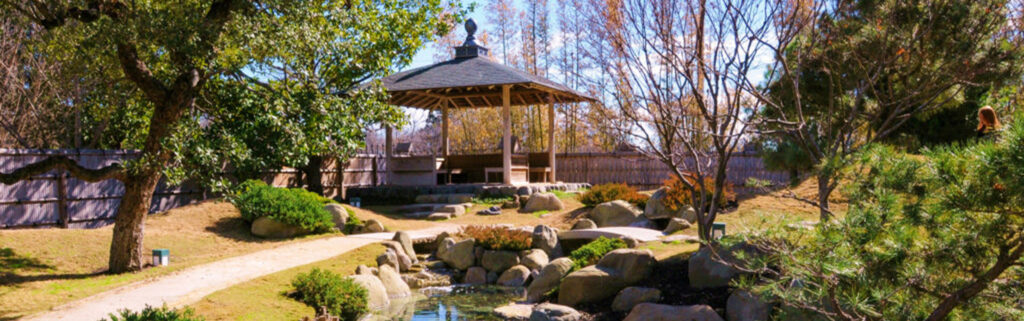
Art & Culture
Kumamoto En
Community
Lucile Halsell Conservatory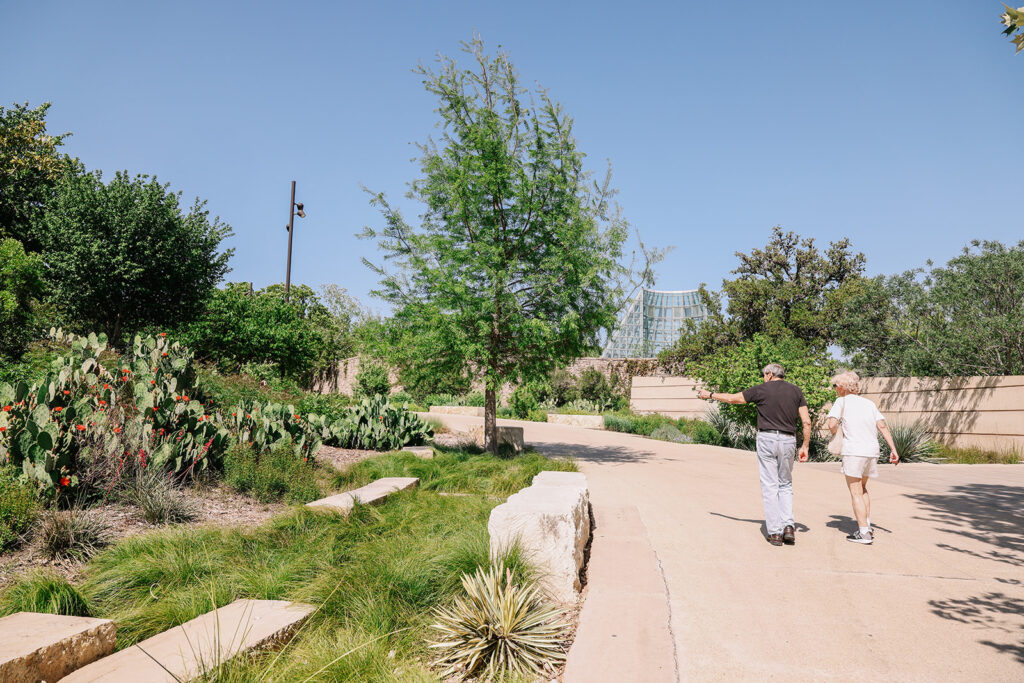
Community
Mays Family Display Garden
Community
Texas Native Trail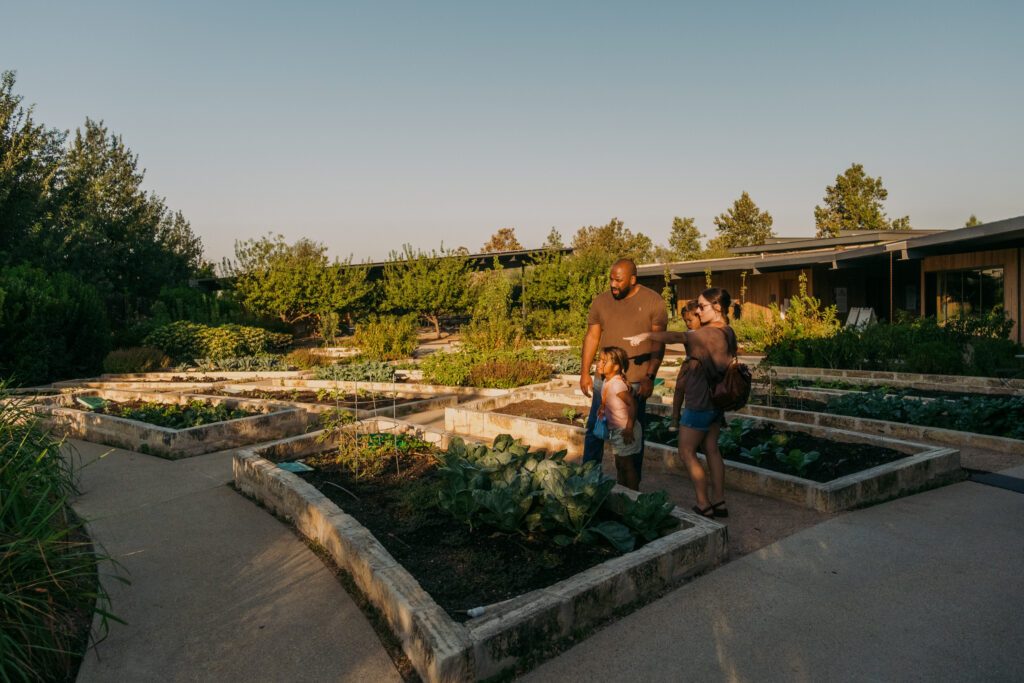
Community
The Zachry Foundation Culinary Garden
Community
WaterSaver Community