



Seasonal Gardening - Fall
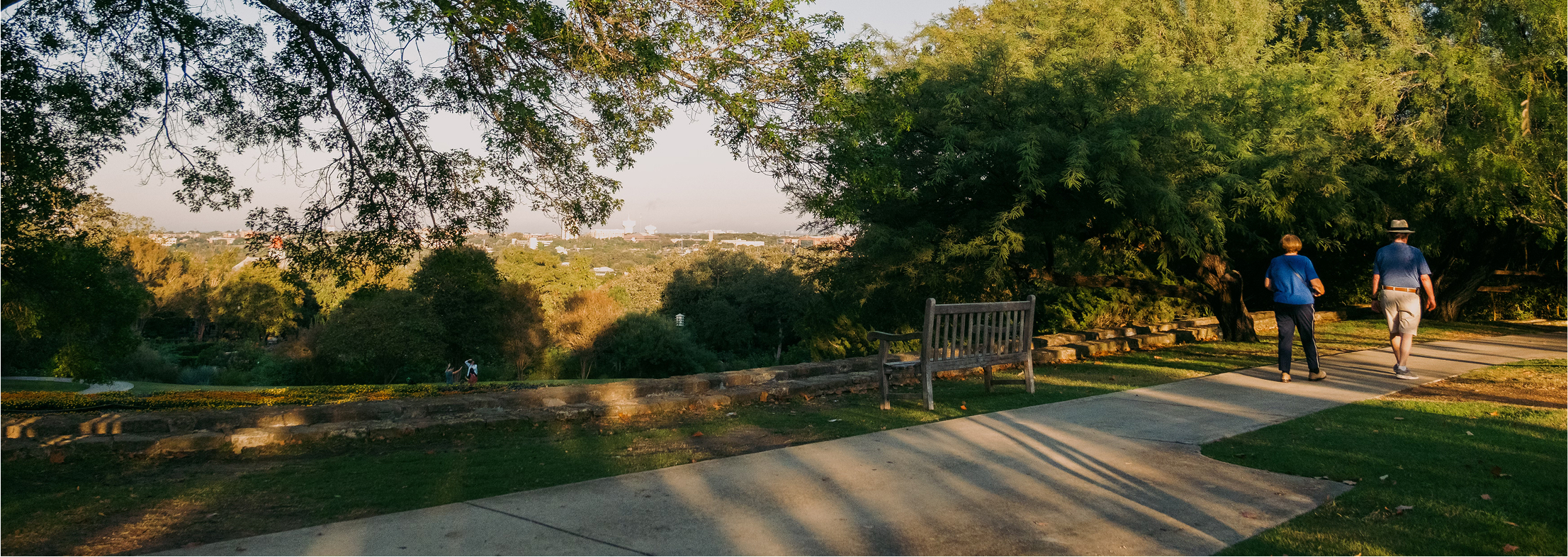
Fall is one of the finest gardening seasons in San Antonio, and perhaps the most satisfying for plant lovers.
Fall is one of the finest gardening seasons in San Antonio, and perhaps the most satisfying for plant lovers.
The air begins to soften, the soil is still warm, and the landscape gets a second wind after the intensity of summer. It is an ideal time for planting trees, shrubs, perennials, wildflowers, and cool-season vegetables, since roots can establish while top growth enjoys milder weather. For many gardeners, fall feels like a season of possibility—a chance to refresh beds, improve the landscape, and set the stage for a stronger garden next year.
Planting Trees
Plant shade trees and other landscape plants now to take advantage of warm soils and milder air temperatures. Fall is one of the best seasons in San Antonio to establish trees and shrubs with less heat stress and stronger root development before summer returns.
Vegetables
Plant cool-season vegetables such as broccoli, cabbage, cauliflower, collards, kale, lettuce, carrots, beets, radishes, and greens, using local planting dates and allowing enough time for crops to mature before hard freezes.
Preparation
Prepare beds for cool-season flowers and vegetables by adding compost or other organic matter as needed and making sure soils are loose and well drained.
Flower Maintenance
Deadhead flowering plants to stimulate continued blooming and tidy the garden as temperatures cool. Regular deadheading is especially helpful on roses and other repeat bloomers.
Fertilizing
Fertilize roses for the last time before winter, then wait until late winter to fertilize again.
Pruning
Complete the last major pruning of rose bushes before winter, ideally by early fall, then hold off again until late winter (mid-February).
Replanting
Dig, divide, and replant spring-and-summer-blooming perennials while the weather is favorable so roots can establish during the cooler months ahead.
Wildflowers
Sow bluebonnets and other wildflowers in fall, which is the key seeding season for spring bloom in Central and South Texas.
Watering
Reduce watering as temperatures cool and soils hold moisture longer. Avoid overwatering in fall, and continue adjusting irrigation downward as days shorten and plant water use declines.
Using Mulch
Mulch all new plantings to help conserve moisture, regulate soil temperature, and reduce weeds, but keep mulch away from trunks and stems to avoid rot and excess moisture around the crown.
Weeding
Do not allow weeds to go to seed, which will reduce future weed pressure and make spring maintenance easier.
Tropical Plants
Prepare to protect tropical plants or move them into a greenhouse or sheltered space before cold weather arrives.
Irrigation
Prepare exposed pipes and irrigation components for winter, and check irrigation systems for leaks, clogged emitters, or misdirected spray heads before colder weather sets in.
Equipment
After the final use of mowers and other power equipment, prepare them for winter storage and do not leave gasoline in machines over the season.
Buying Plants
Begin purchasing fall-planted, spring-blooming bulbs, but wait to plant until the hottest weather has passed and soils begin to cool.
Garden Planning
Evaluate the landscape and make changes while conditions are still comfortable for planting and garden work. Fall is an excellent time to replace poorly adapted plants with native or well-adapted species better suited to San Antonio’s climate and water conditions
Learn More with The Garden
The San Antonio Botanical Garden offers classes, workshops, and seasonal programs that explore these gardening practices in greater depth.
Community
Children’s Vegetable Garden
Community
Family Adventure Garden
Community
Formal & Display Gardens
Community
Greehey Lawn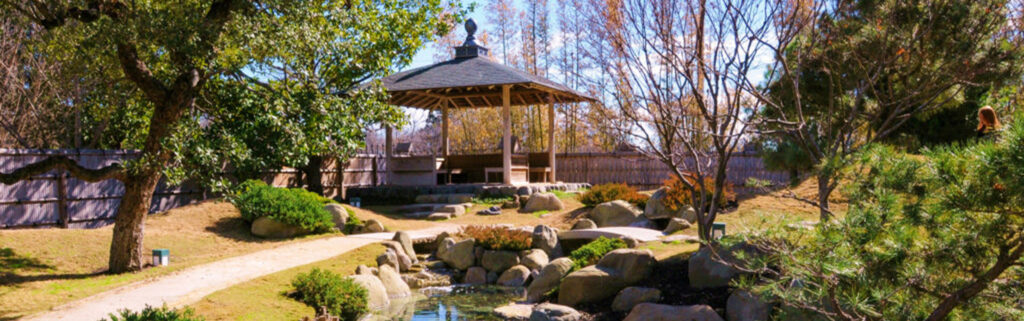
Art & Culture
Kumamoto En
Community
Lucile Halsell Conservatory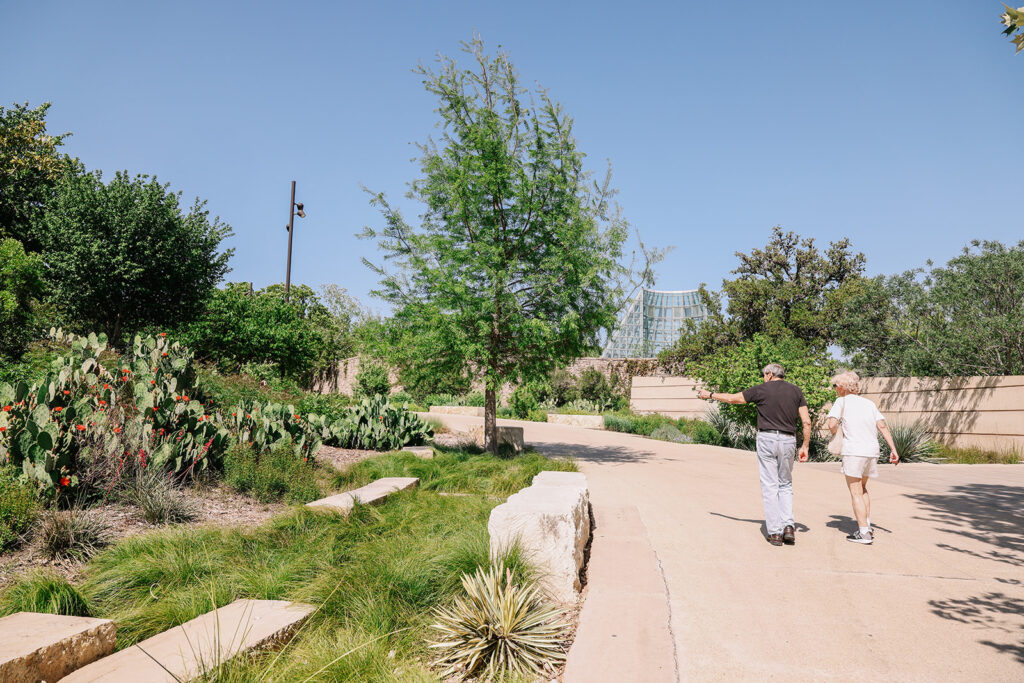
Community
Mays Family Display Garden
Community
Texas Native Trail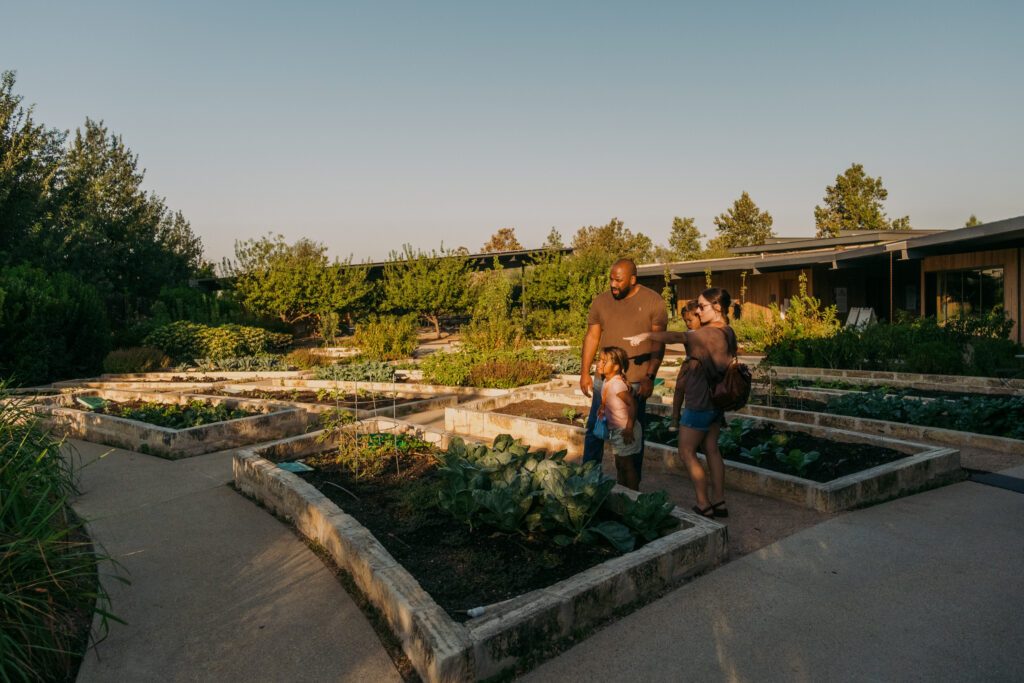
Community
The Zachry Foundation Culinary Garden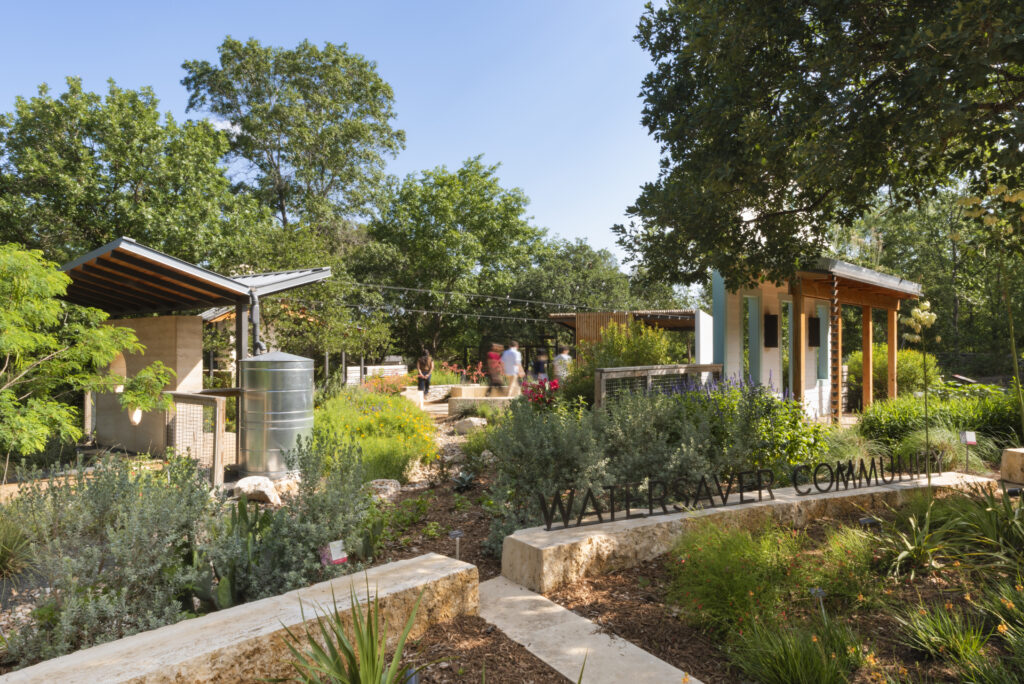
Community
WaterSaver Community