



Gardening for Pollinators
Essential Principles
01 | Choose Native Flowering Plants
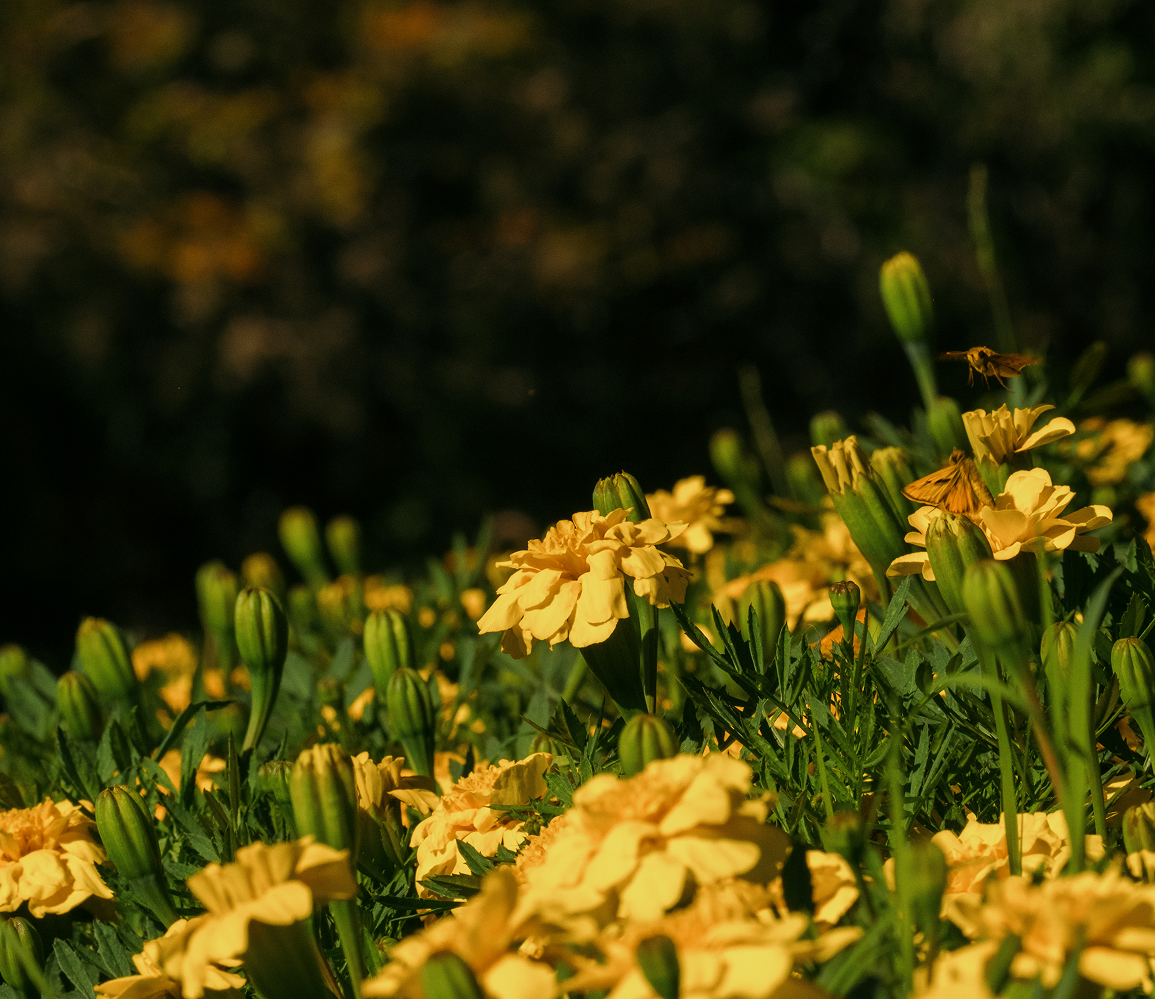
Native plants evolved alongside local pollinators and provide the most reliable food sources. Native plants also require less water and maintenance. They form the backbone of a pollinator-friendly garden.
02 | Plant a Variety of Flowering Plants
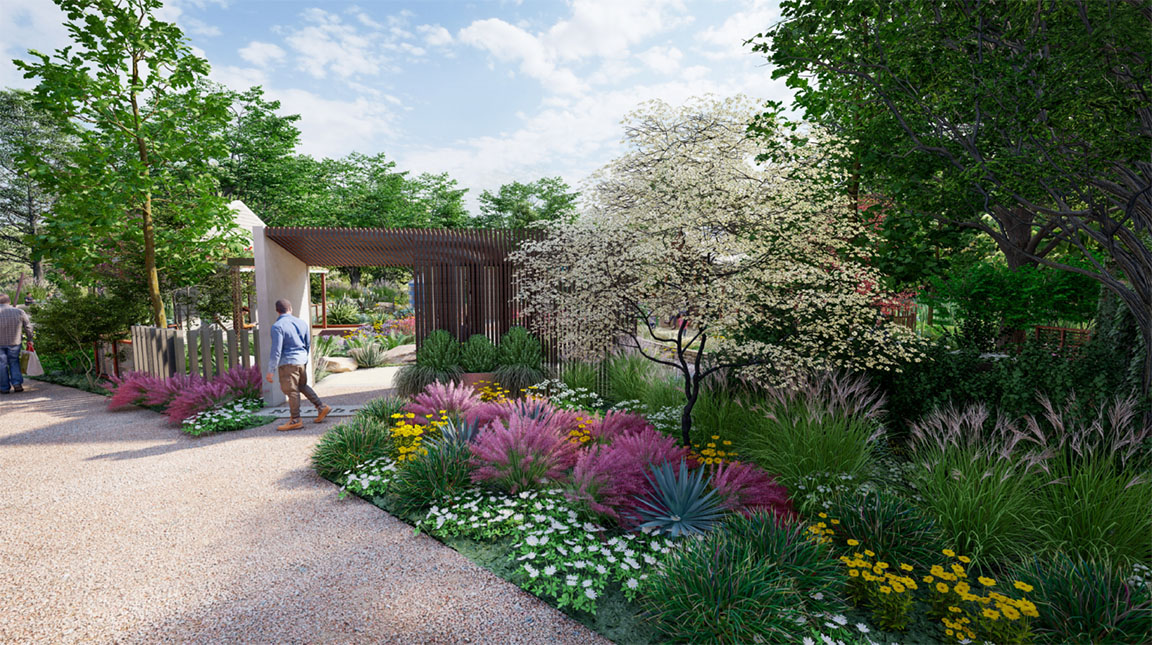
Pollinators need nectar and pollen throughout the growing season. Include plants that bloom in spring, summer, and fall. A diverse garden supports bees, butterflies, birds, and other beneficial insects. Variety also adds beauty and resilience to your landscape.
03 | Not All Pollinators are Butterflies
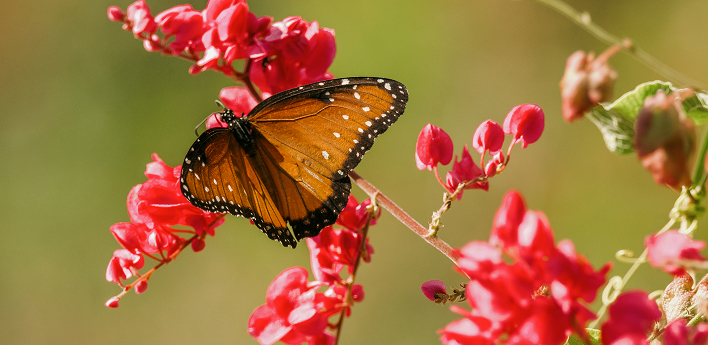
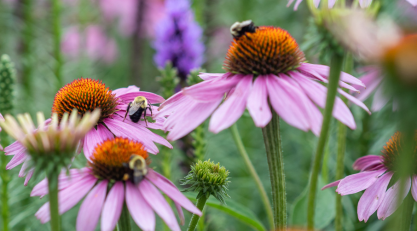
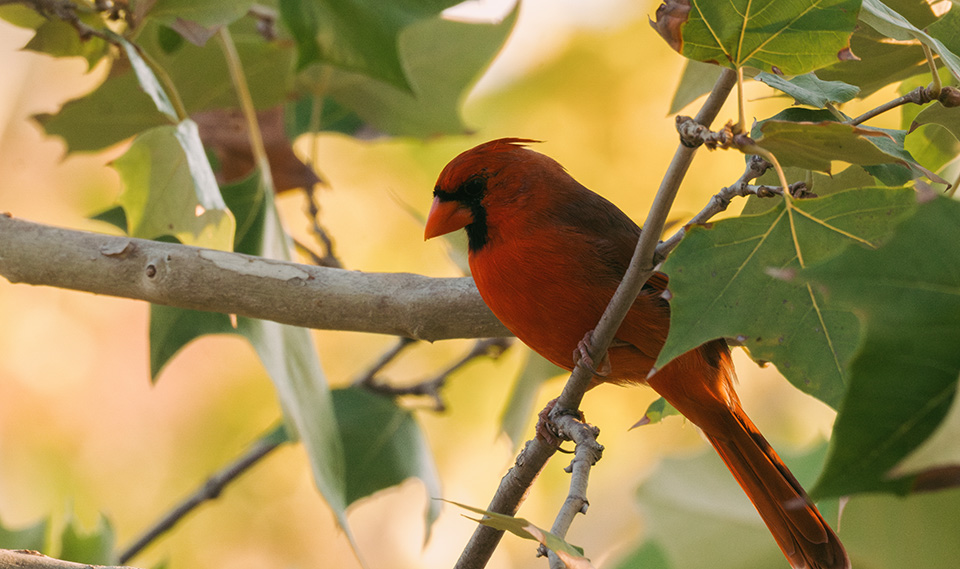
Pollinator gardens not only support beautify butterflies but also native bees, birds, bats, wasp, flies, and other insects. All of which play a crucial role in pollinating plants and keeping our ecosystem healthy.
04 | Avoid Pesticides Whenever Possible
Many pesticides harm pollinators directly or indirectly. Even organic products can be dangerous if misused. Healthy gardens rely on balance, not chemicals. If pests appear, tolerate minor damage or use targeted, least-toxic solutions.
06 | Plant in Clusters
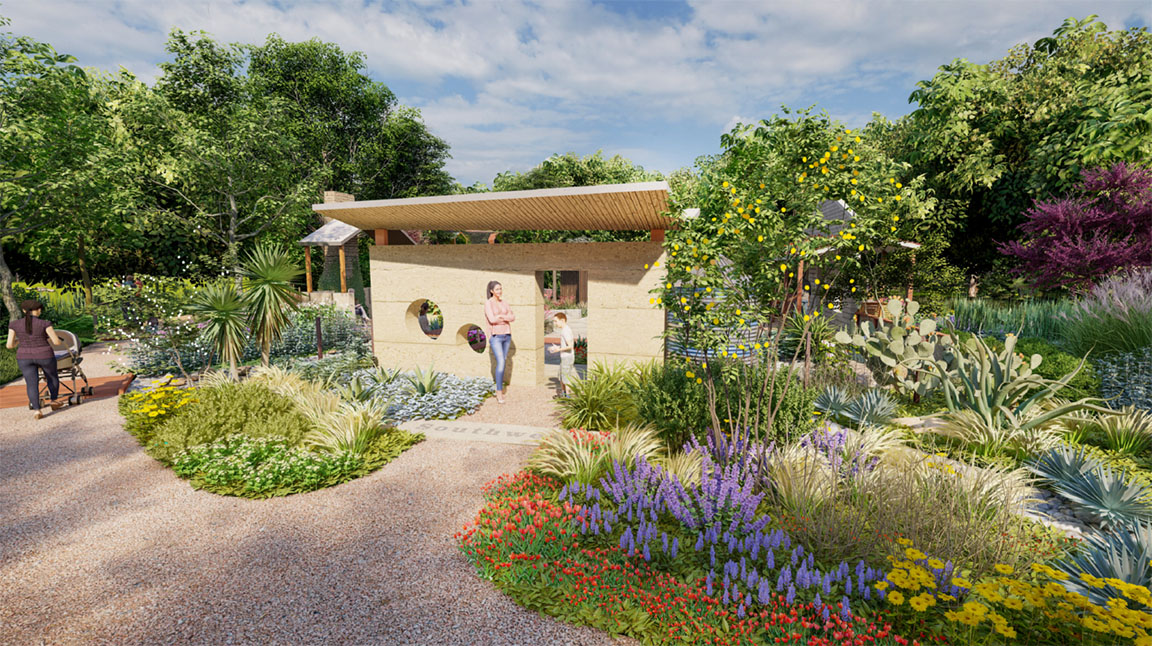
Grouping the same plant species together makes it easier for pollinators to find food. Large patches are more efficient than scattered individual plants. Clusters also create a stronger visual impact in the garden.
07 | Provide Water Sources
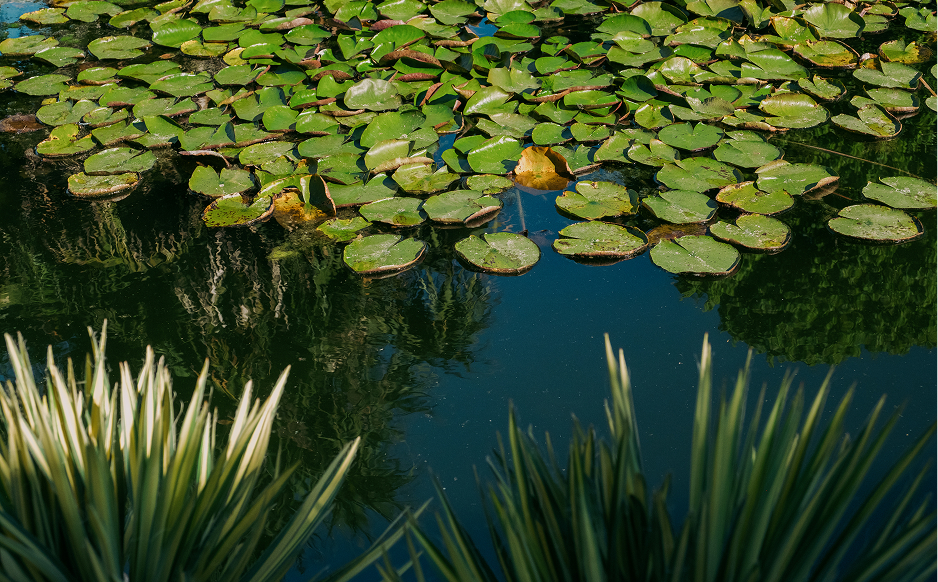
Pollinators need water, especially during hot weather. A shallow dish with stones or a birdbath with gentle access works well. Refresh water regularly to prevent mosquitoes. Small water features can make a big difference.
08 | Leave Some Garden Mess
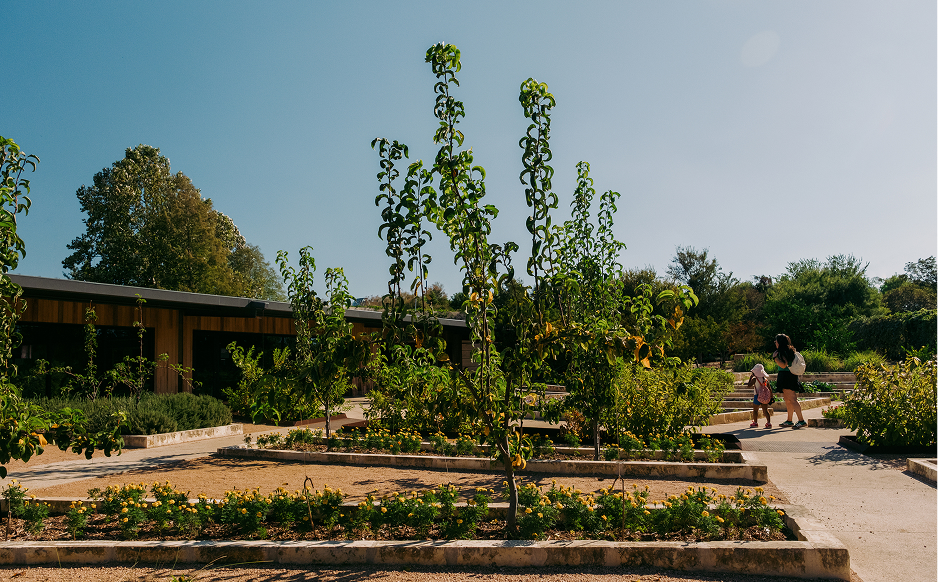
Fallen leaves, hollow stems, and undisturbed soil provide nesting and overwintering sites. Many native bees nest in the ground or plant debris. Avoid overly tidy gardens, especially in fall and winter. A little mess supports life.
09 | Include Host Plants for Butterflies
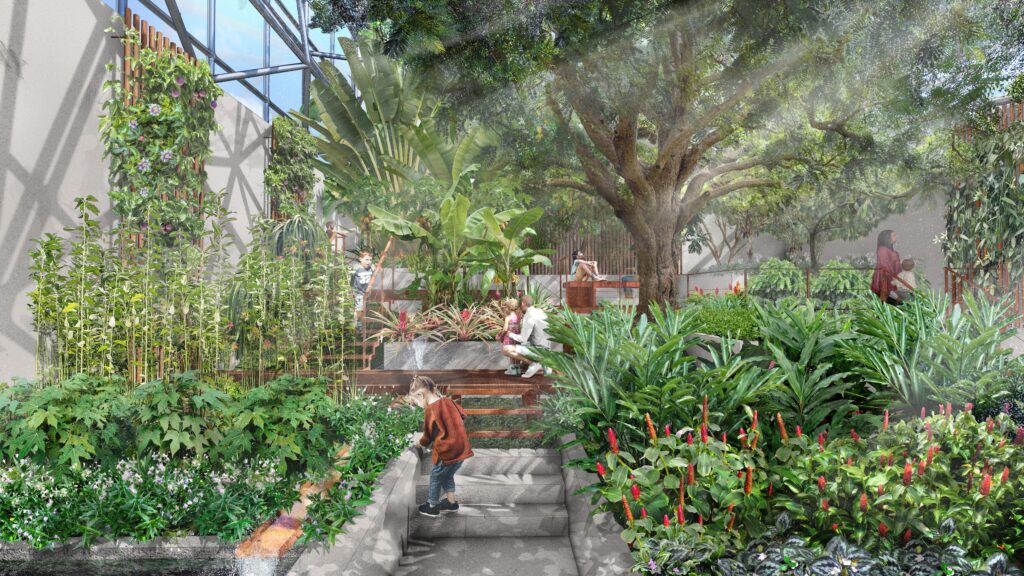
Nectar plants feed adult butterflies, but host plants support their larvae. Milkweed for monarchs is a well-known example. Keep in mind host plants will be damaged and eaten by the larva and caterpillars this is both the plant and pollinators natural cycle.
10 | Let Plants Go to Seed
Seed heads provide food for birds and shelter for insects. They also add winter interest to the garden. Delay cutting plants back until late winter or early spring. This supports wildlife during the hardest season.
11 | Use Night-Blooming Plants
Moths and bats are important pollinators that work after dark. Fragrant, pale flowers are especially attractive to them. Including these plants increases pollination diversity. Pollination doesn’t stop when the sun goes down.
12 | Think Beyond Flowers
Trees, shrubs, and grasses are also important for pollinators. Many provide early-season pollen or nesting sites. Oaks, willows, and native grasses support hundreds of species. A layered landscape is a healthy landscape.
What’s
Beautiful Now?
Community
Children’s Vegetable Garden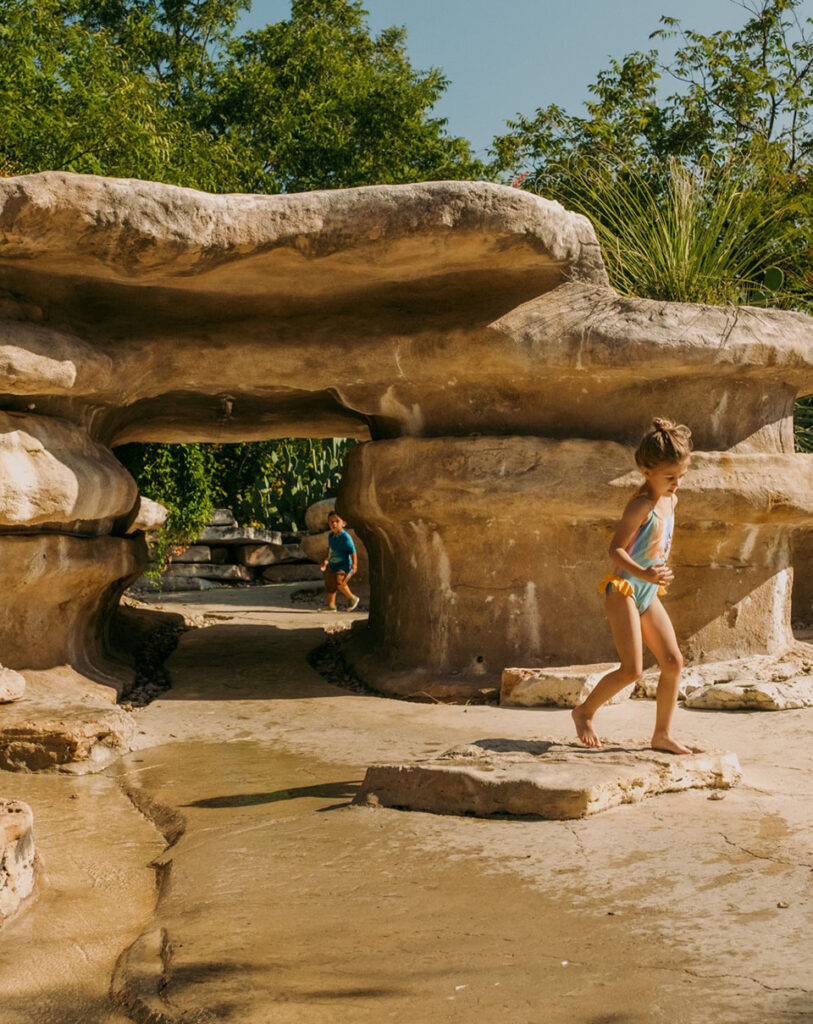
Community
Family Adventure Garden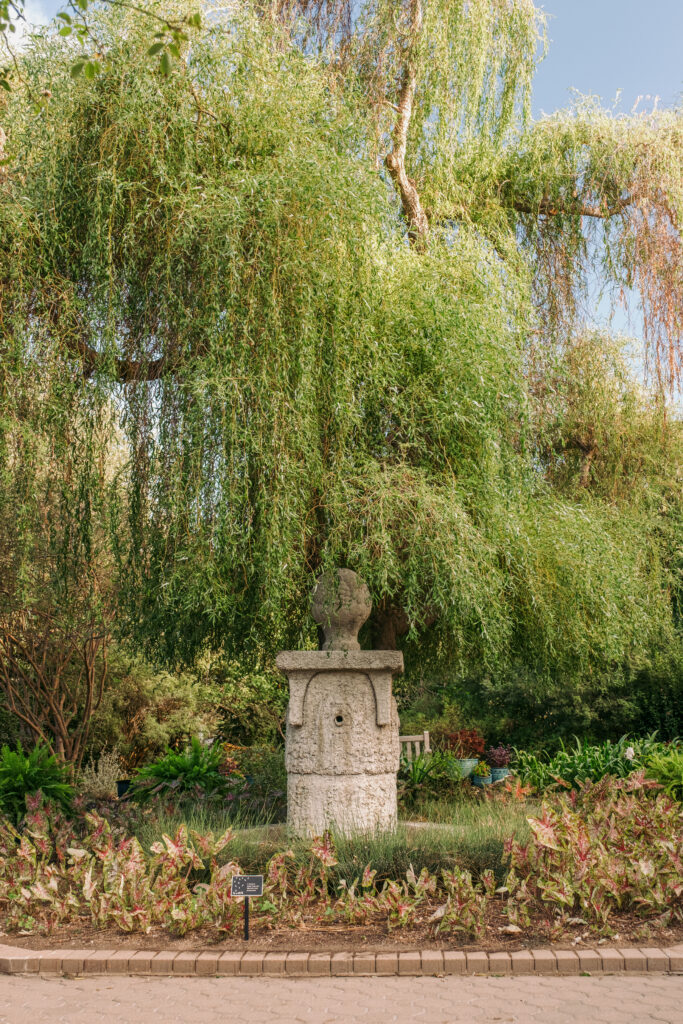
Community
Formal & Display Gardens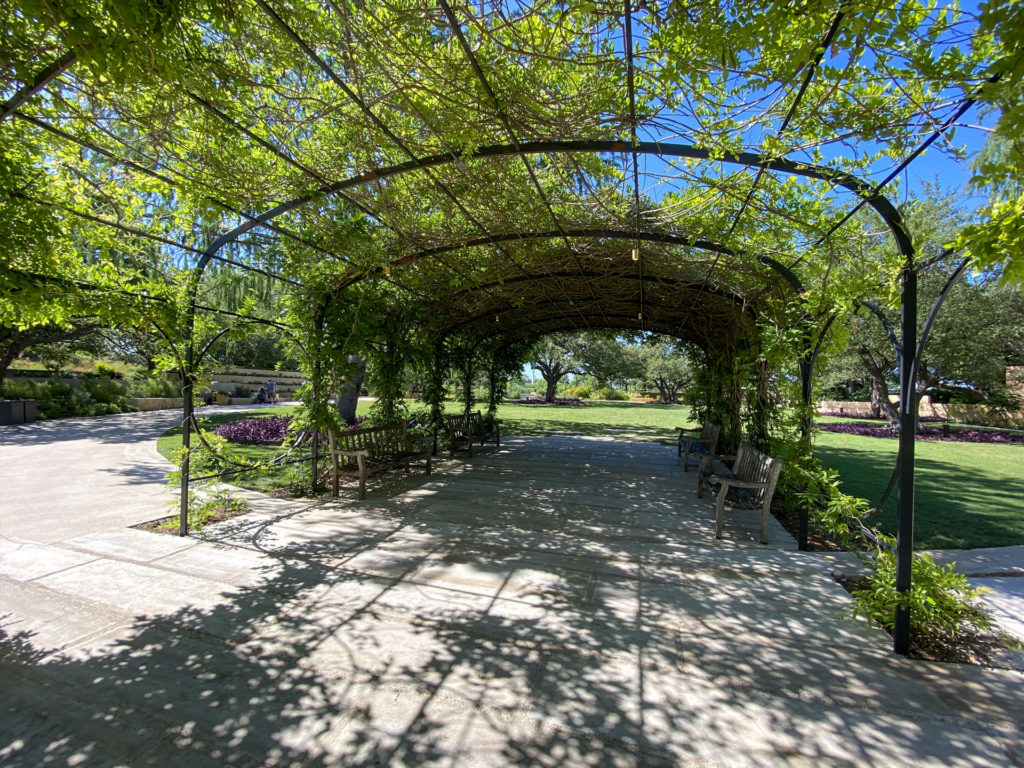
Community
Greehey Lawn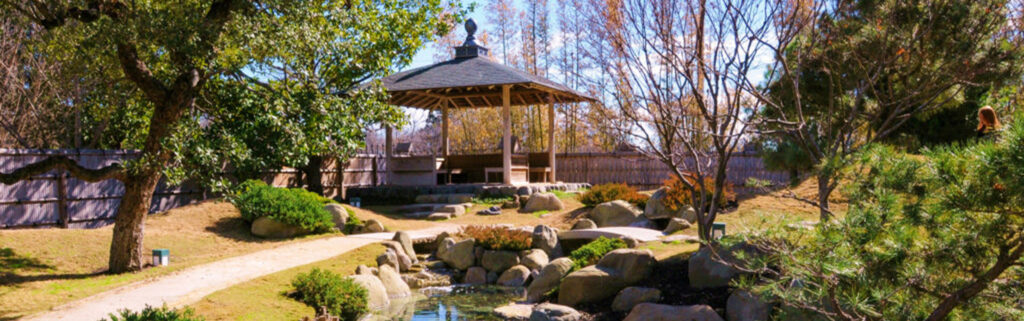
Art & Culture
Kumamoto En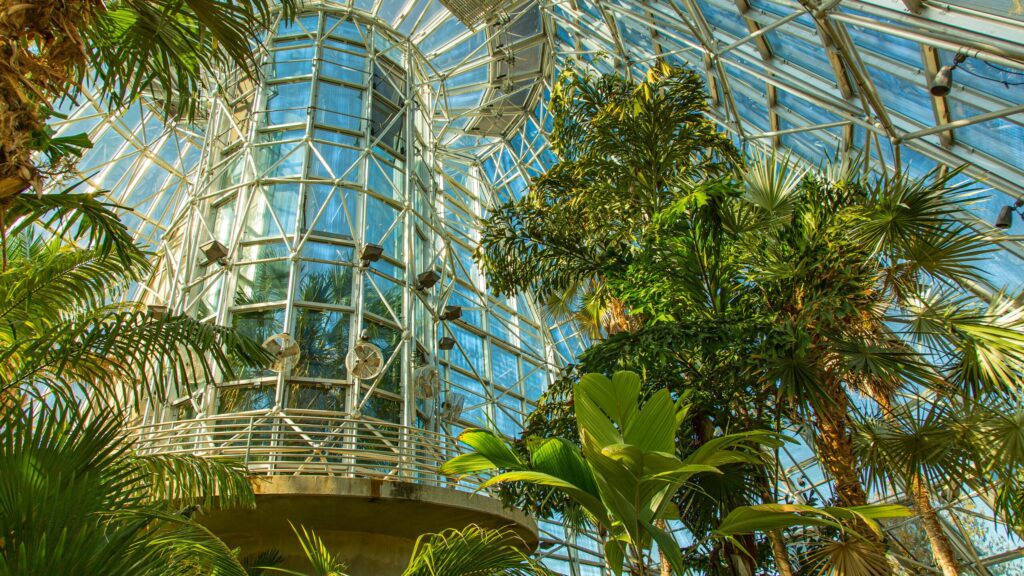
Community
Lucile Halsell Conservatory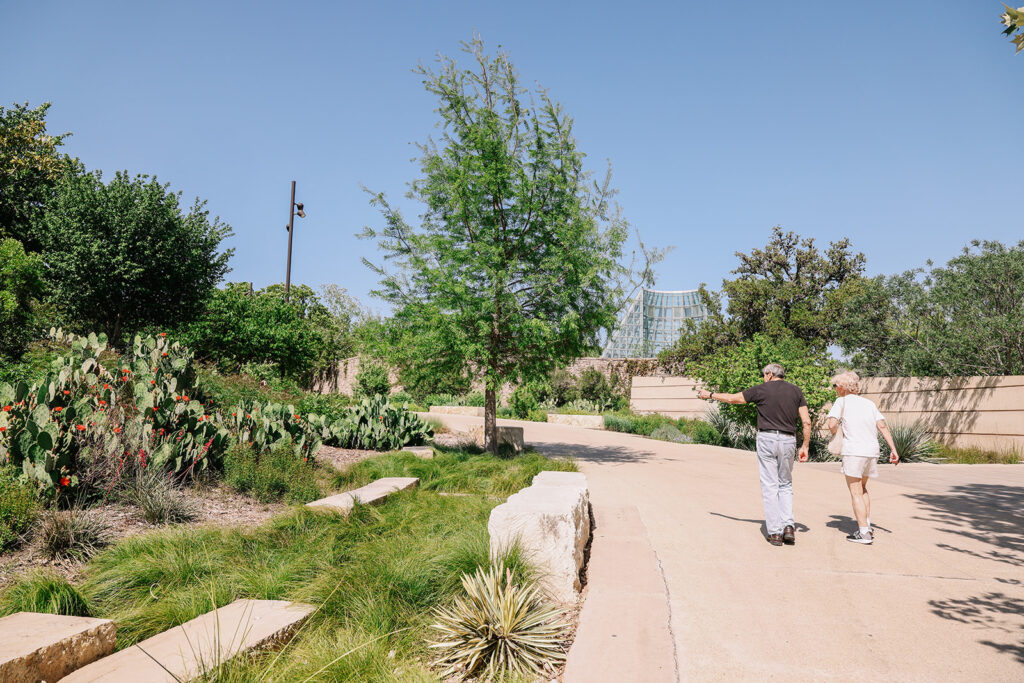
Community
Mays Family Display Garden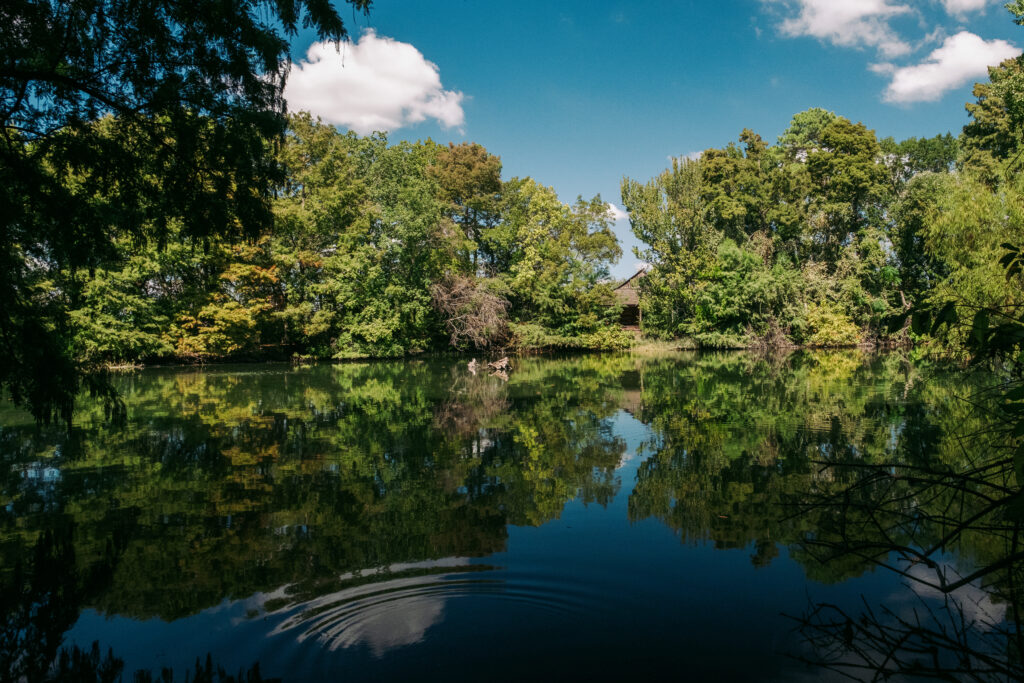
Community
Texas Native Trail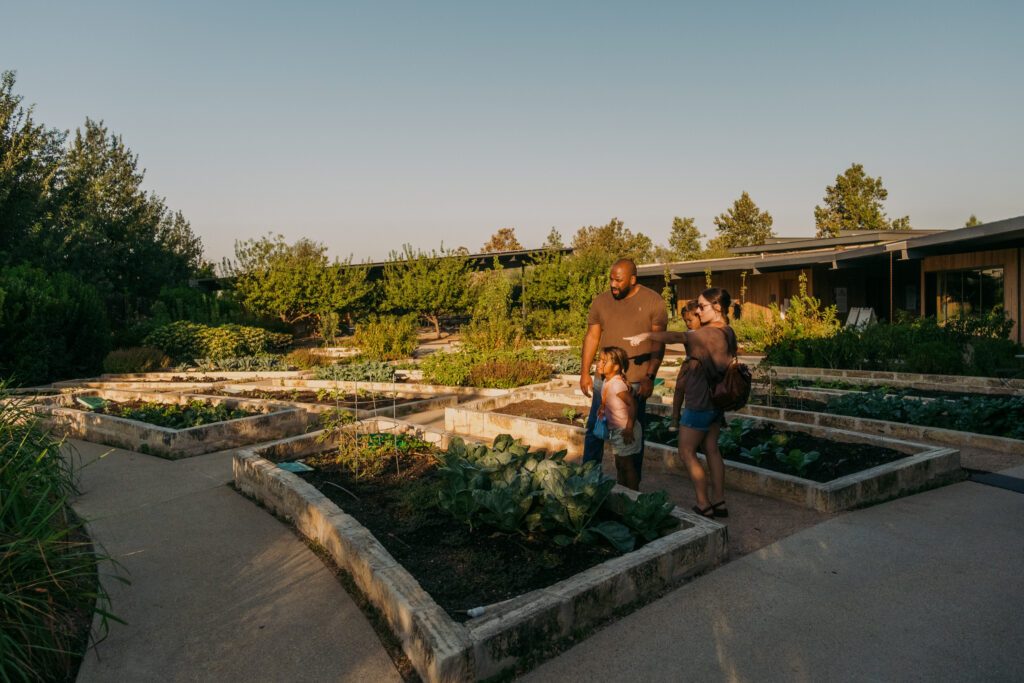
Community
The Zachry Foundation Culinary Garden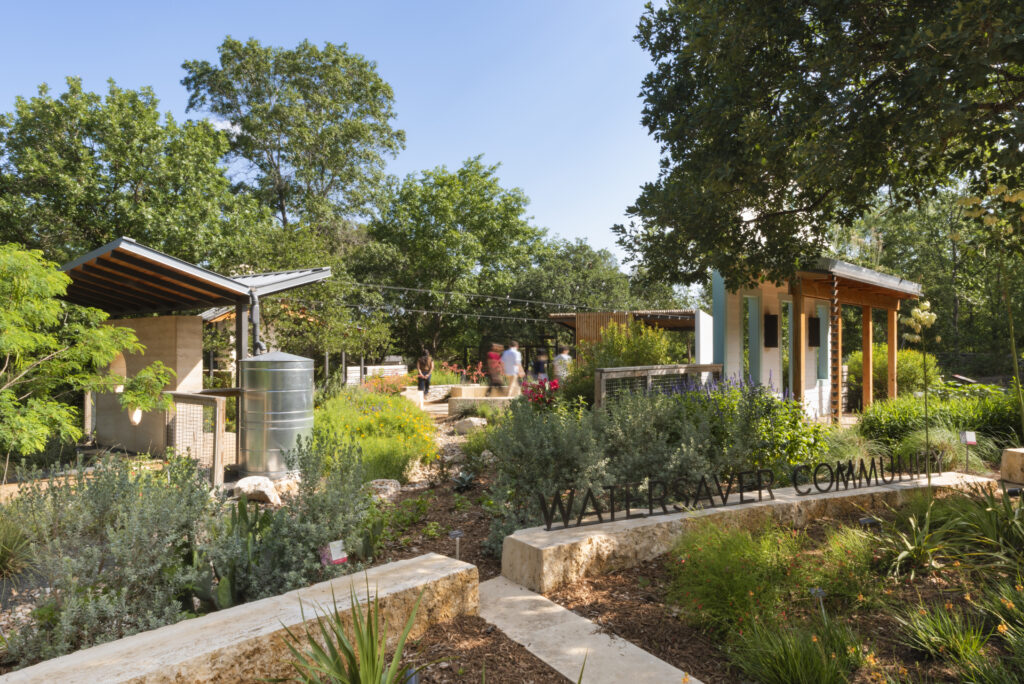
Community
WaterSaver Community