



Choose Native and Adapted Plants
Essentials for thriving Texas gardens — from plant selection to water conservation and pollinator support.
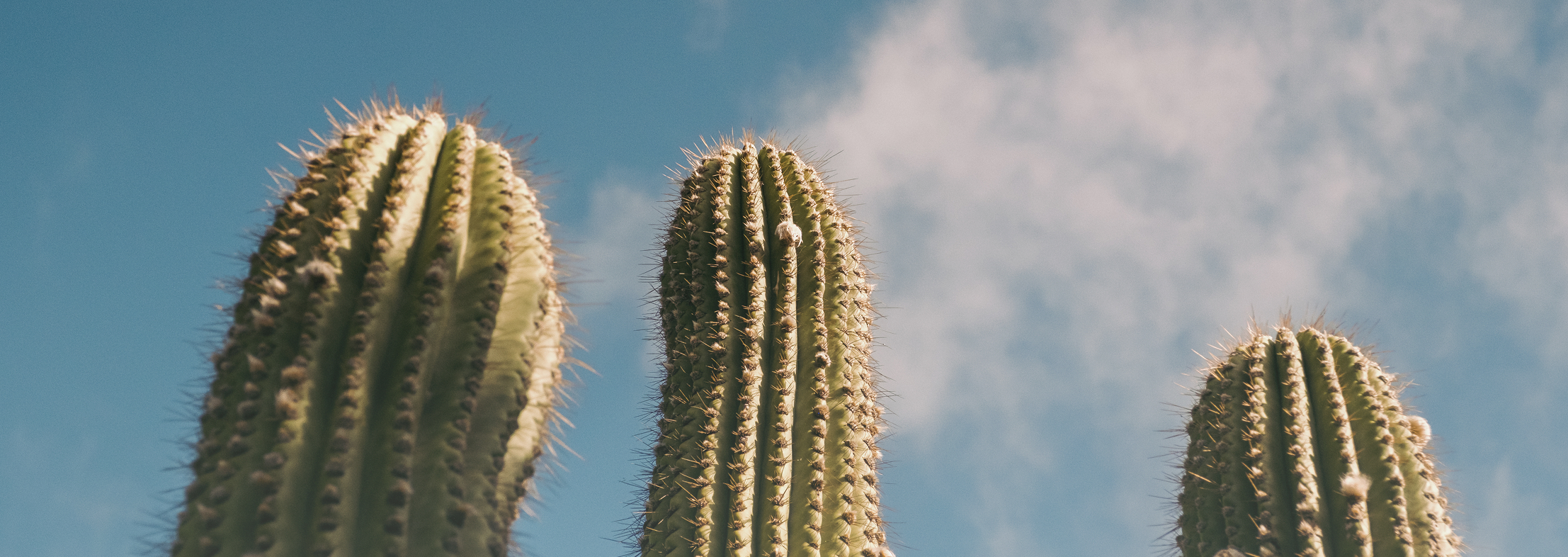
"Start with the right plant for the right place — everything else follows."
Native and adapted plants are naturally suited to local soils, temperatures, and rainfall patterns. When matched carefully to their site conditions, they establish faster, require less intervention, and become living foundations for entire local ecosystems. This guide covers what you need to know.
Seven Essential Principles
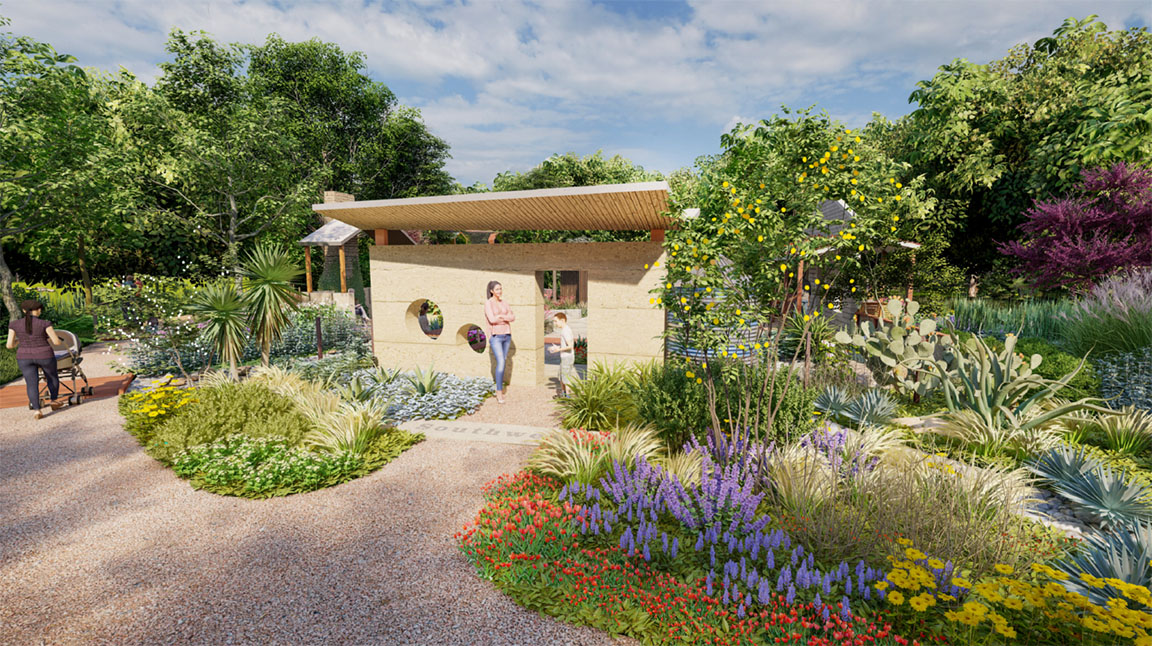
01 | Right Plant, Right Place
Native and adapted plants thrive when matched to site conditions — sun, soil, and drainage. This reduces stress and maintenance needs. Plants well-suited to their location establish faster. Success begins with smart selection.
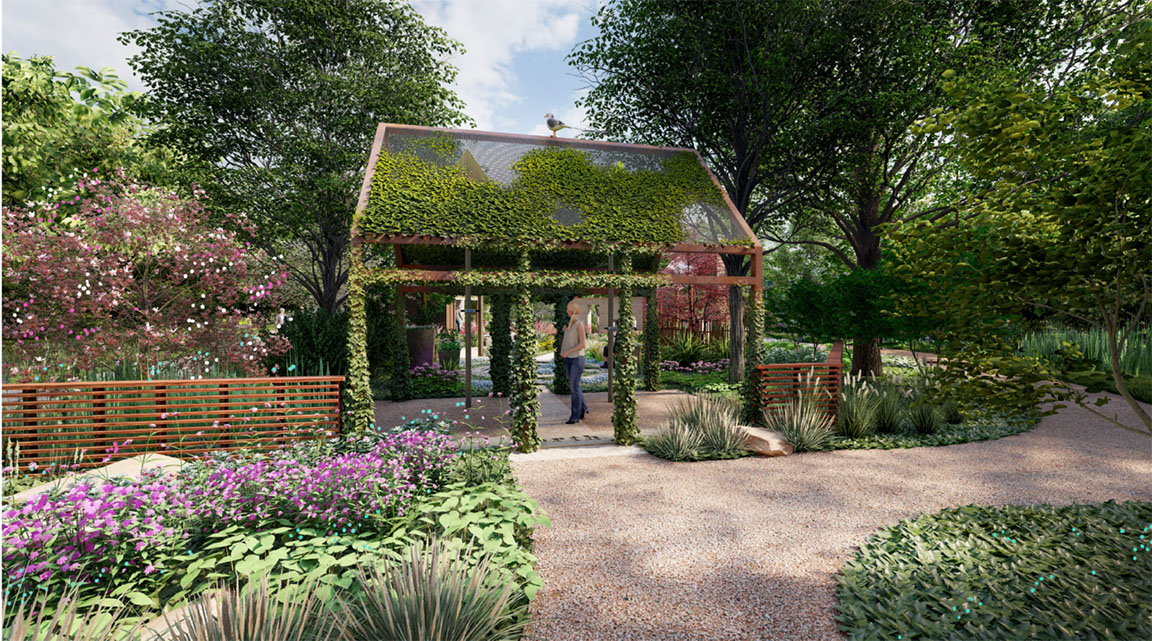
02| Native vs. Adapted
Native plants originate in a specific region and support local ecosystems. Adapted plants from similar climates elsewhere perform well locally. Both are valuable in Central Texas gardens — a mix provides flexibility and diversity.
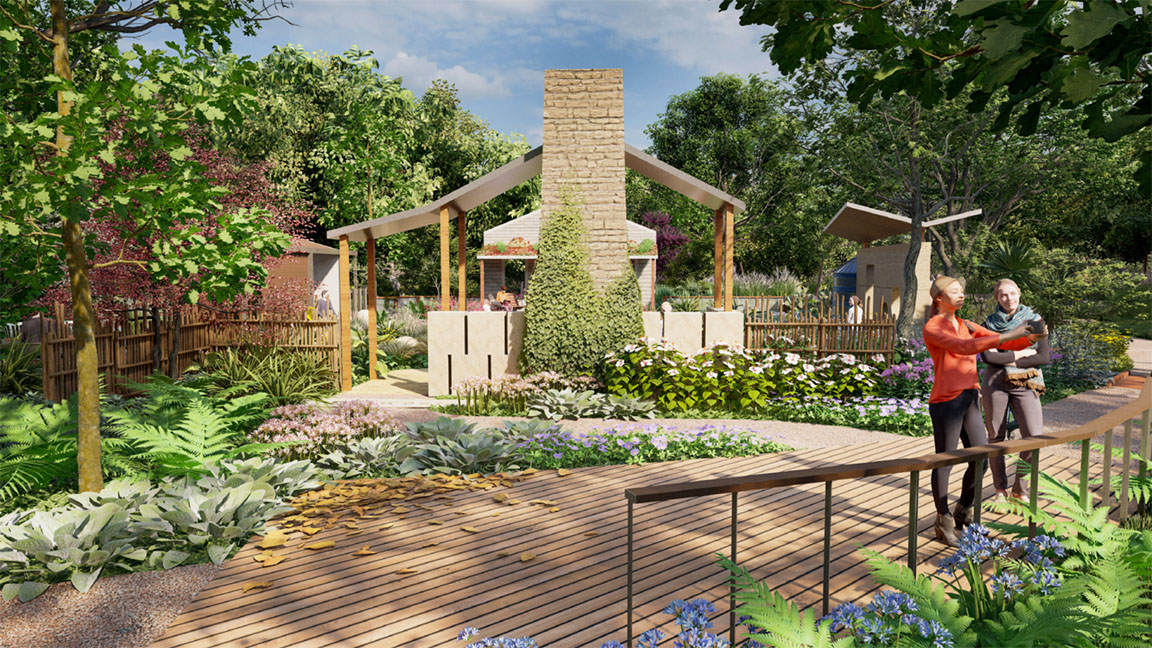
03 | Expect an Establishment Period
Native plants often spend their first year developing roots rather than top growth. This is normal — part of their resilience. Once established, they require far less water and care. Patience pays off.
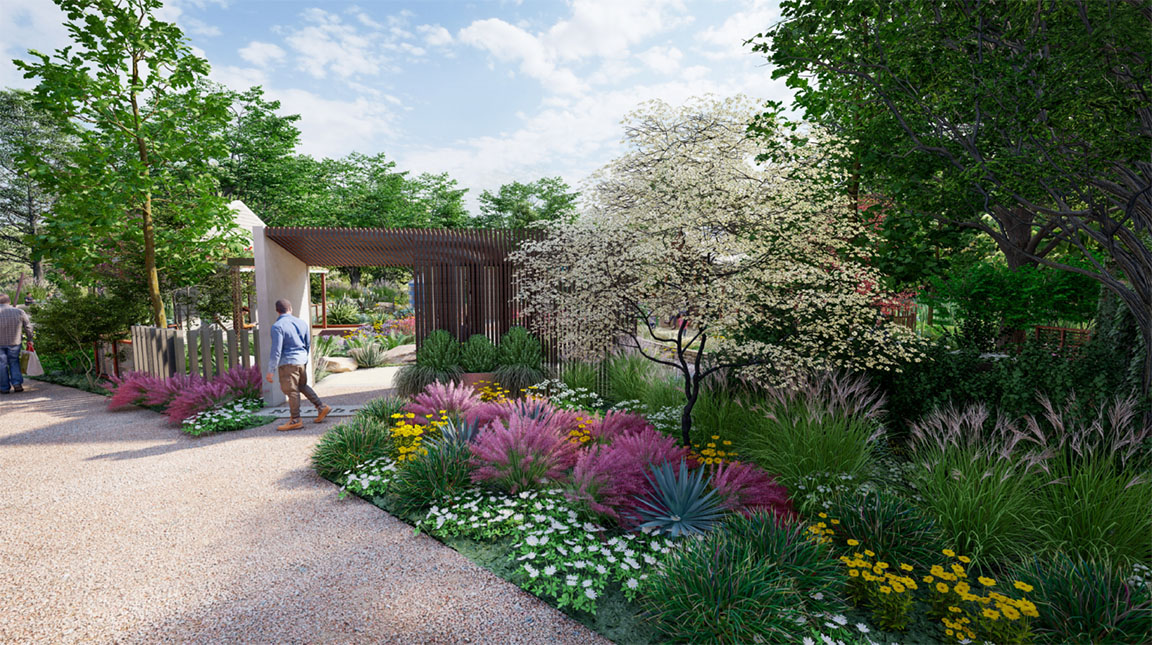
04| Water During Establishment
Even drought-tolerant plants need consistent watering at first. Gradually reduce irrigation as roots develop. Avoid overwatering, which can cause root rot. After establishment, many natives thrive on rainfall alone.
Water Saver Gardening Tips >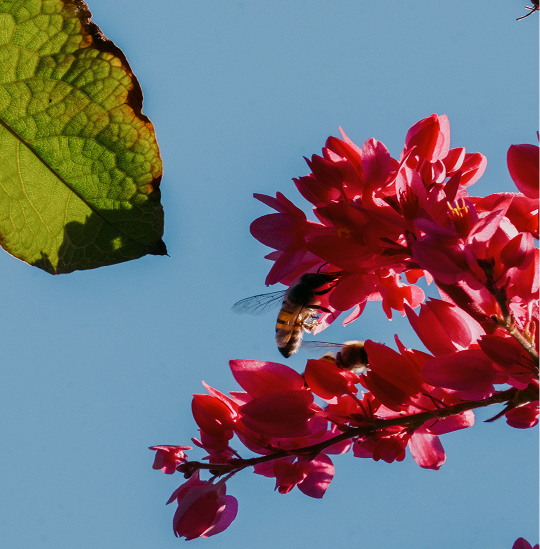
05 | Prune with Intention
Many native plants benefit from occasional pruning to refresh growth. Late winter is often the best time. Intentional pruning encourages vigor and maintains the natural beauty of your landscape.
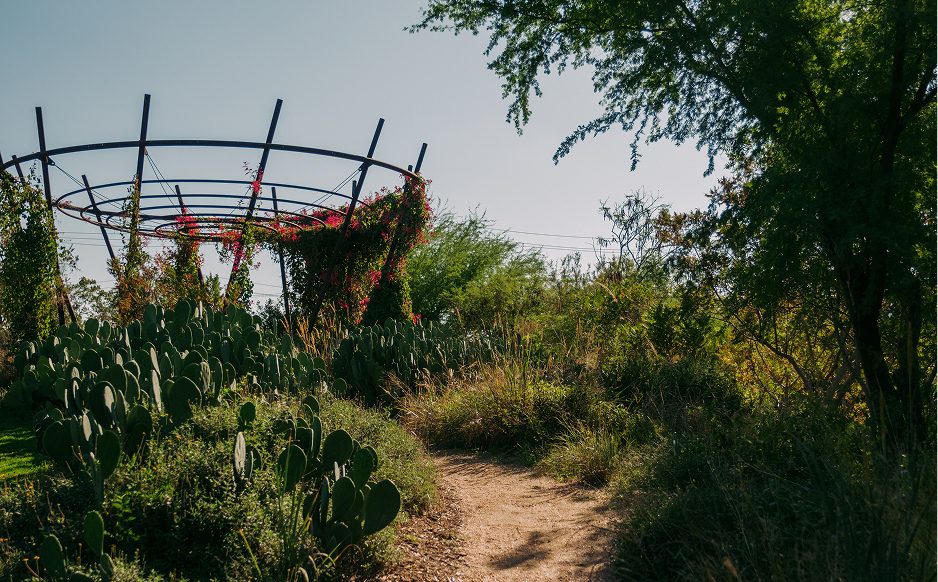
06| Support Wildlife Naturally
Native plants provide food and habitat for birds, insects, and other animals, forming the foundation of local food webs. Gardens planted with natives become living ecosystems — full of life and movement.
Pollinator Garden Tips >Native landscapes look different throughout the year. Some plants go dormant or die back in winter — this does not mean they are unhealthy. Seasonal cycles are part of their beauty and ecological function. Let the landscape breathe and evolve with each season.
🌸 Spring flush of growth
☀️ Summer bloom & heat
🍂 Autumn seed dispersal
❄️ Winter dormancy & rest
Native plants provide food and shelter for birds, insects, and wildlife that depend on local plant communities. They form the foundation of local food webs — supporting everything from soil microbes to migratory birds. A garden planted with natives doesn’t just look beautiful; it hums with life.
What’s
Beautiful Now?
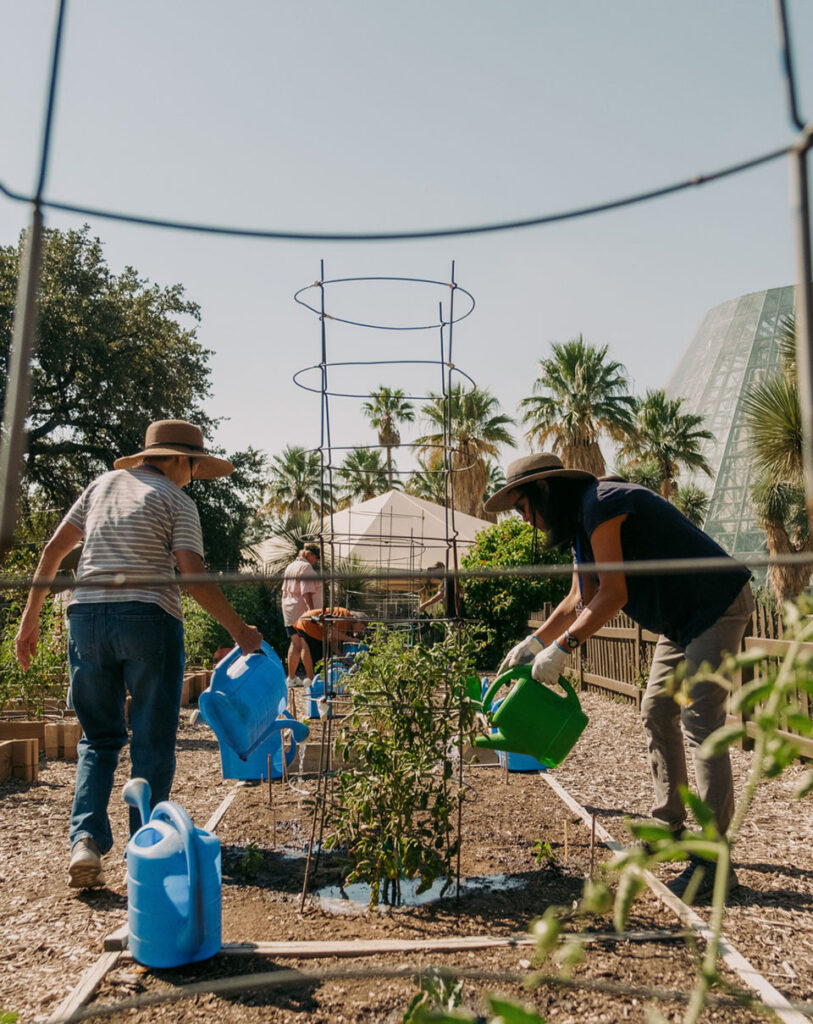
Community
Children’s Vegetable Garden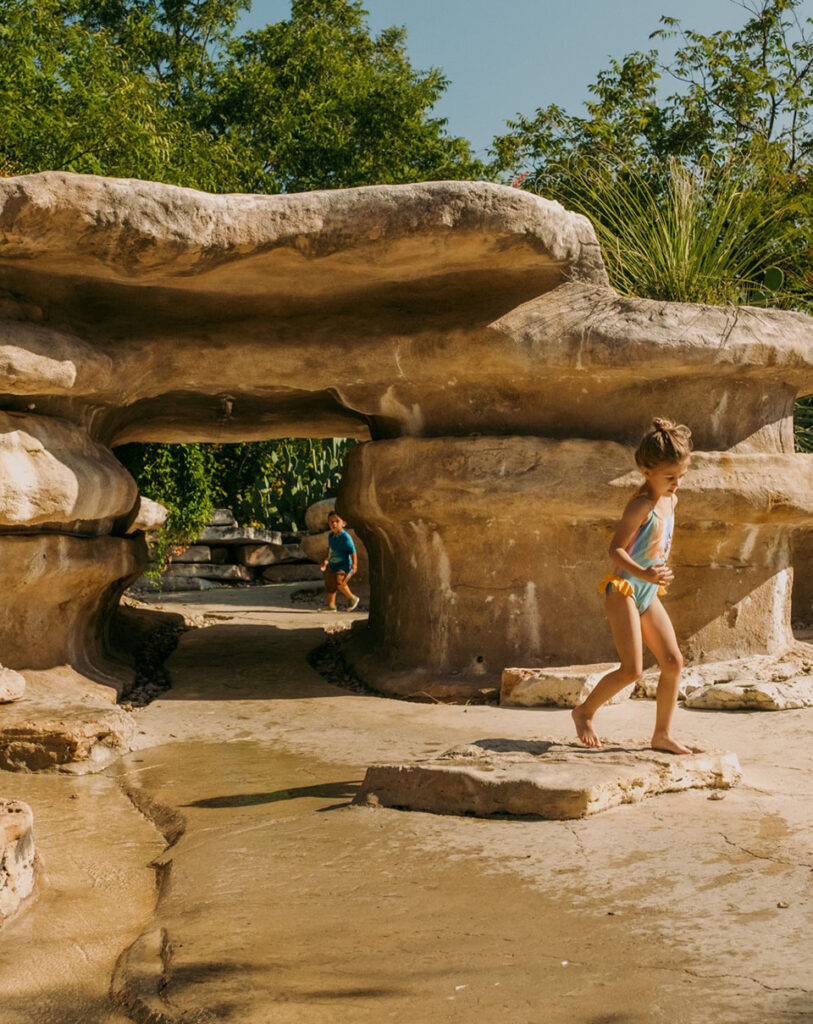
Community
Family Adventure Garden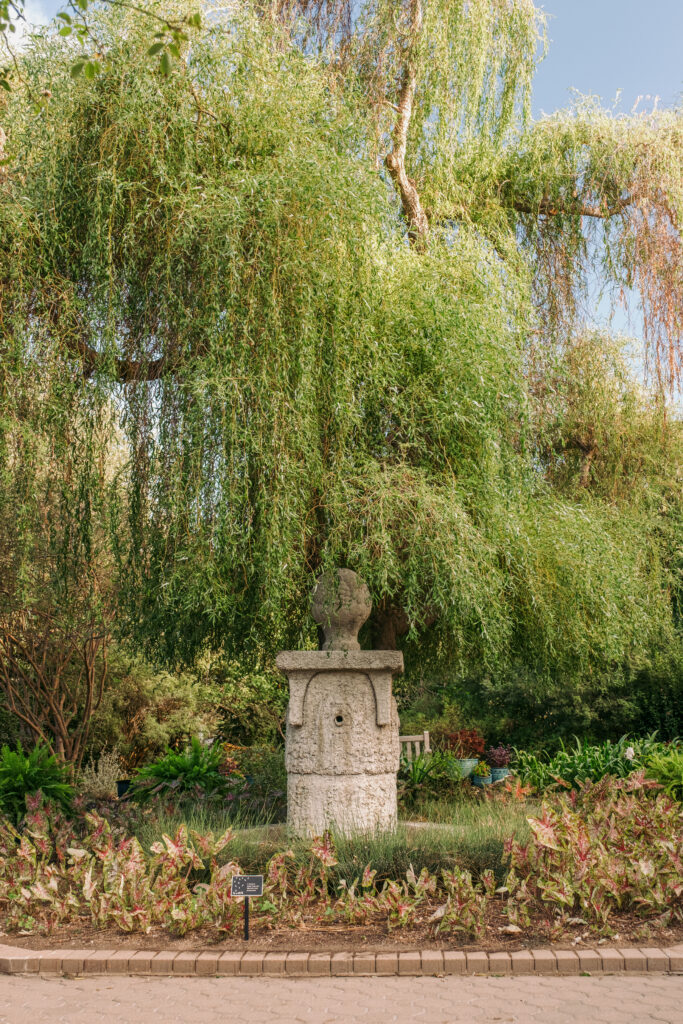
Community
Formal & Display Gardens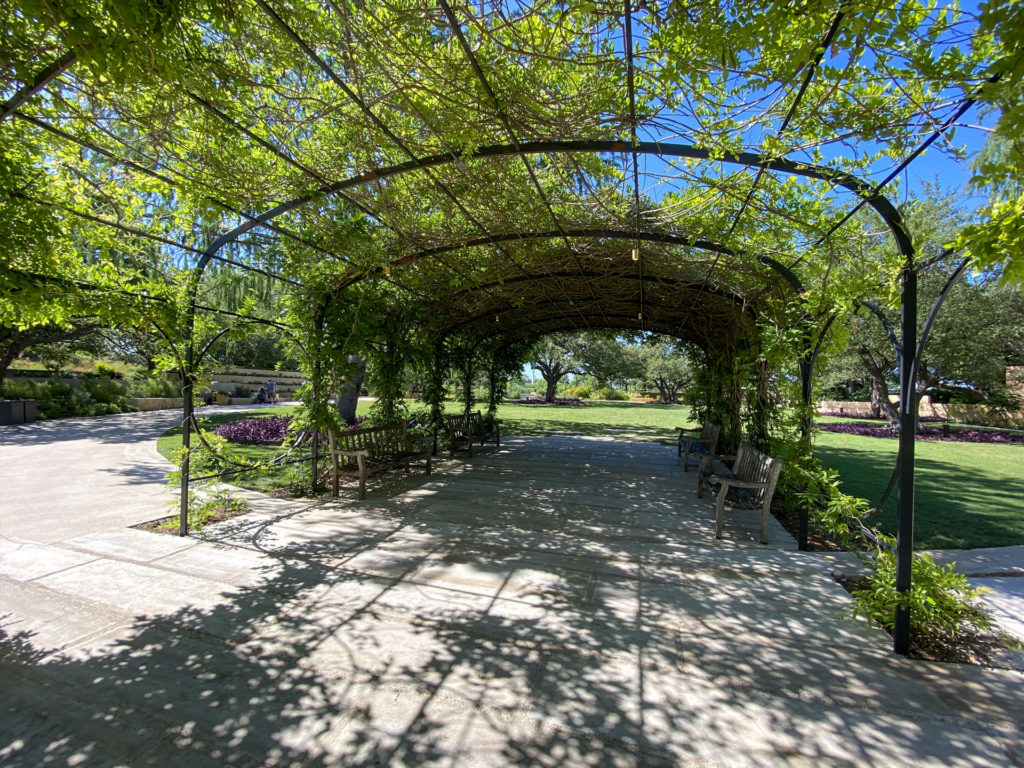
Community
Greehey Lawn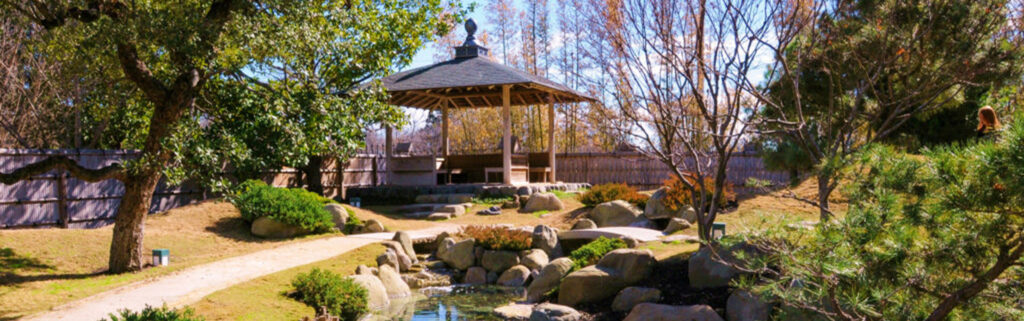
Art & Culture
Kumamoto En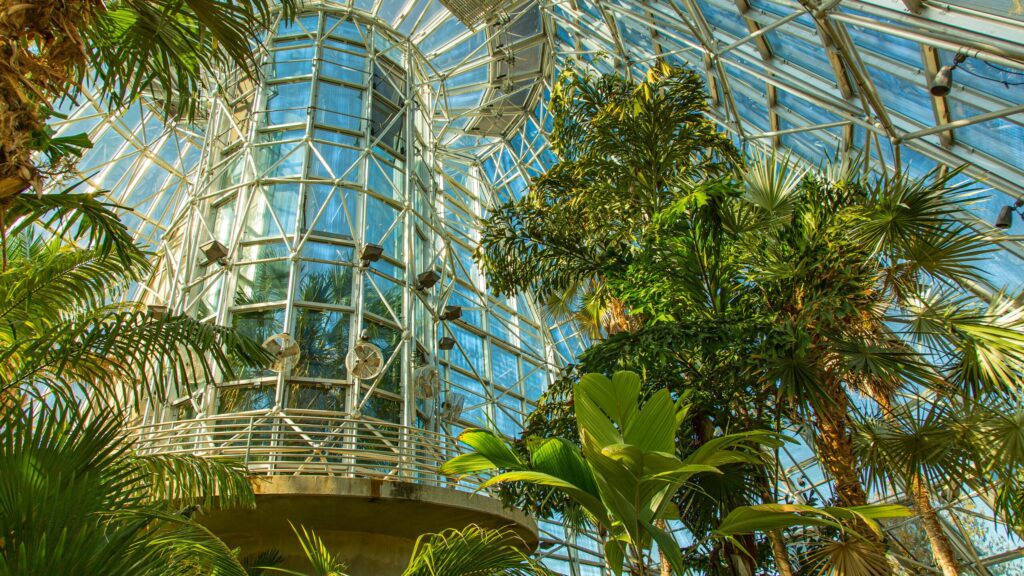
Community
Lucile Halsell Conservatory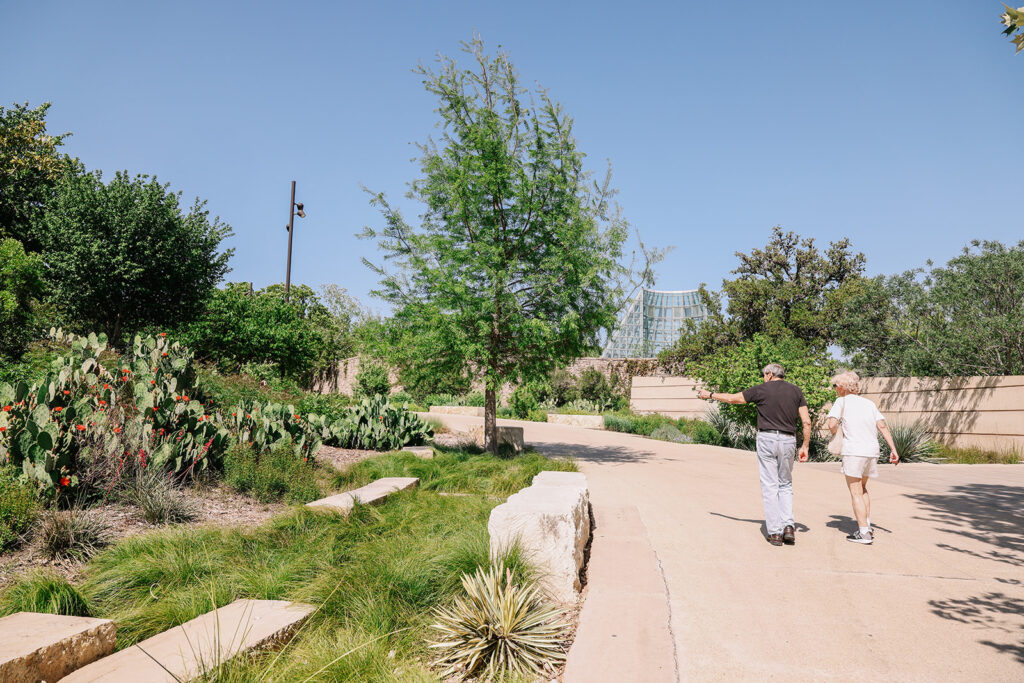
Community
Mays Family Display Garden
Community
Texas Native Trail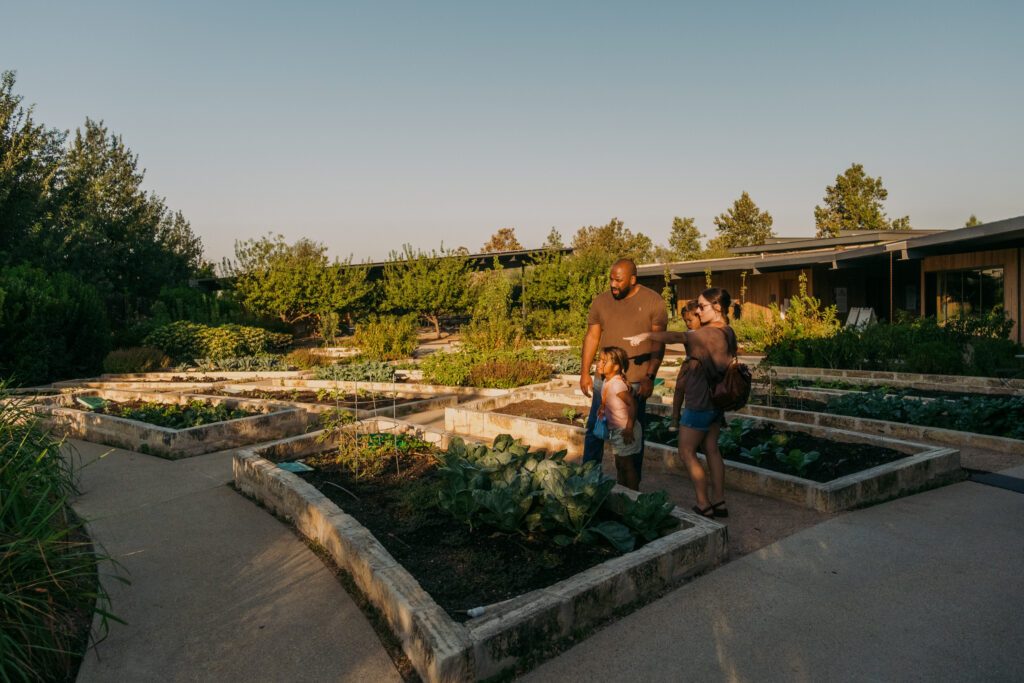
Community
The Zachry Foundation Culinary Garden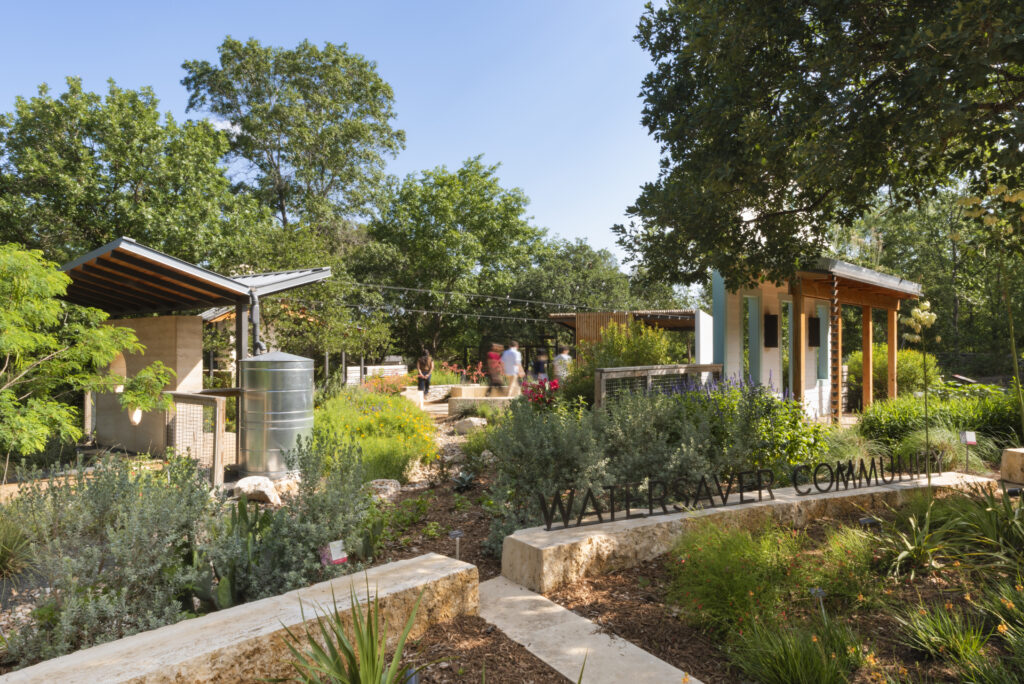
Community
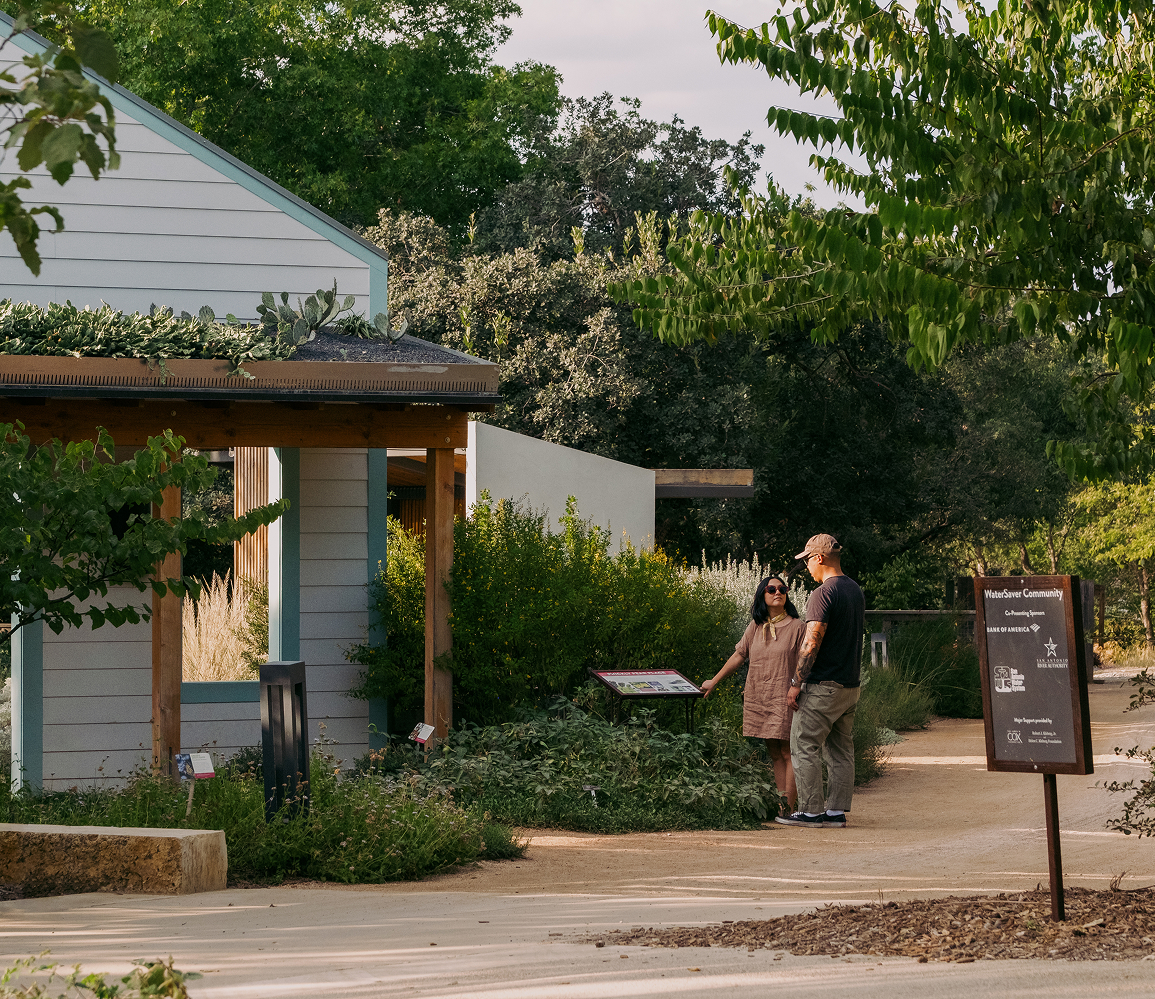
WaterSaver Community