



WaterSaver Gardening
Did you know that over 50% of the water used in San Antonio households is applied solely to landscapes? Low water landscaping is strongly encouraged in arid climates, where water is a limited resource. Drought tolerant gardens and efficient irrigation are both extremely important in areas such as San Antonio and other climates where rain is not plentiful.


Select plants adapted to the conditions in your yard and consider your preferences for color, style, and wildlife benefits.
Sun Exposure:
- Full sun: six hours a day or more.
- Partial sun or partial shade: three to six hours a day
- Shade: less than three hours per day.
Established Size: Find out how tall and wide the plant will be when it is fully grown. Hint: Plant tags at most nurseries will have this information.
Soil Profile: Do you have thin soils or deep soils? Turfgrass on thin soil is a losing proposition; a native mix of Texas wildflowers or short native grasses will fare better. Or use beds, patios, and pathways, and skip the turf.
Asparagus fern, Asparagus densiflorus ‘Myersii’
Fall Obedient Plant, Phystostegia virginiana ‘Pink Manners’
Firecracker fern, Rusellia equisetiformis ‘Lutea’
Gopher plant, Euphorbia rigida
Gregg’s Mistflower, Conoclinium greggii
Hill Country Penstemon, Penstemon triflorus
Pink Mexican Turk’s Cap, Malvaviscus arboreus var. mexicanus PINK
Plumbago, Plumbago auriculata
Texas Sotol, Dasylirion texanum
Agarita, Mahonia trifoliata
Aromatic Aster, Aster oblongifolius
Autumn Sage, Salvia greggii ‘Mirage Deep Purple’
Black Dalea, Dalea frutescens ‘Sierra Negra’
Blackfoot Daisy, Melampodium leucanthum
Cenizo, Leucophyllum frutescens
China Rose, Rosa chinensis ‘Mutabilis’
Crape Myrtle, Lagerstroemia ‘Purple Magic’
Desert Willow, Chilopsis linearis
Gaura, Gaura lindheimera ‘Belleza Light Pink’
Lemon Beebalm, Monarda citriodora
Mexican Petunia, Ruellia ‘Mayan White’
Mexican Petunia, Ruellia ‘Mayan Pink’
Pale Rock Rose, Pavonia hastata
Pale-leaf Yucca, Yucca pallida
Purple Heart, Setcreasea pallida ‘Purple Heart’
Rock Rose, Pavonia lasiopetala
Ruby Muhly Grass, Muhlenbergia reverchonii ‘Undaunted’
Shrimp Plant, Justicia brandegeana ‘Fruit Cocktail’
Shrubby Boneset, Ageratina havanensis
Coral Honeysuckle, Lonicera sempervirens
Darcy’s Mexican Sage, Salvia darcyi
Eastern Red Cedar, Juniperus virginiana ‘Taylor’
Esperanza, Tecoma x ‘Sierra Apricot’
Evergreen Sumac, Rhus virens
Fairy Duster, Calliandra eriophylla x californica
Fragrant Olive, Osmanthus fragrans f. aurantiacus
Mexican Honeysuckle, Justicia spicigera
Oleaster, Elaeagnus x ebbingei ‘Olive Martini’
Pride-of-Barbados, Caesalpinia pulcherrima
Purple Fountain Grass, Pennisetum ‘Vertigo’
Rock Penstemon, Penstemon bacharifolius ‘Diablo’
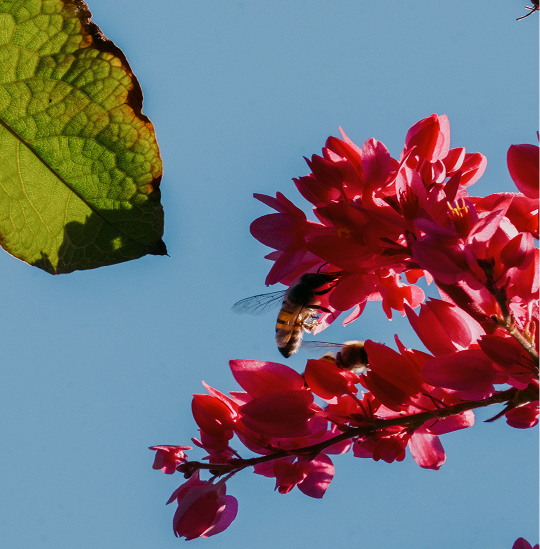
Amistad Salvia, Salvia ‘Amistad’
Artemisia Powis Castle, Artemisia ‘Powis Castle’
Bearded Iris, Iris Remontant Bearded Mix 1 (40%/60%) ‘Harvest of Memories’; ‘Orange Harvest’
Blue Lyme Grass, Elymus arenarius ‘Blue Dune’
Cigar Plant, Cuphea micropetala
Cigar Plant, Cuphea ignea
Coneflower, Echinacea purpurea ‘Magnus’
Desert Globemallow, Spaeralcea ambigua
Flame Acanthus, Anisacanthus quadrifidus var. wrightii
Lindheimer’s Muhly, Muhlenbergia lindheimeri ‘Autumn Glow’
Mexican Skullcap, Scutterlaria suffrutescens
Prairie Dropseed, Sporobolus heterolepis
Red Yucca, Hesperaloe parviflora ‘Desert Flamenco’
Ruby Crystal Grass, Melinus nerviglumis
Salvia Indigo Spires, Salvia ‘Indigo Spires’
Switchgrass, Panicum virgatum ‘Northwind’
Texas Blue Prickly Pear, Opuntia canacapa ‘Ellisiana’
Texas Redbud, Cercis canadensis var. texensis
Thryallis, Galphimia gracilis
Woolly Stemodia, Stemodia lanata
Wright’s Skullcap, Scutterlaria wrightii
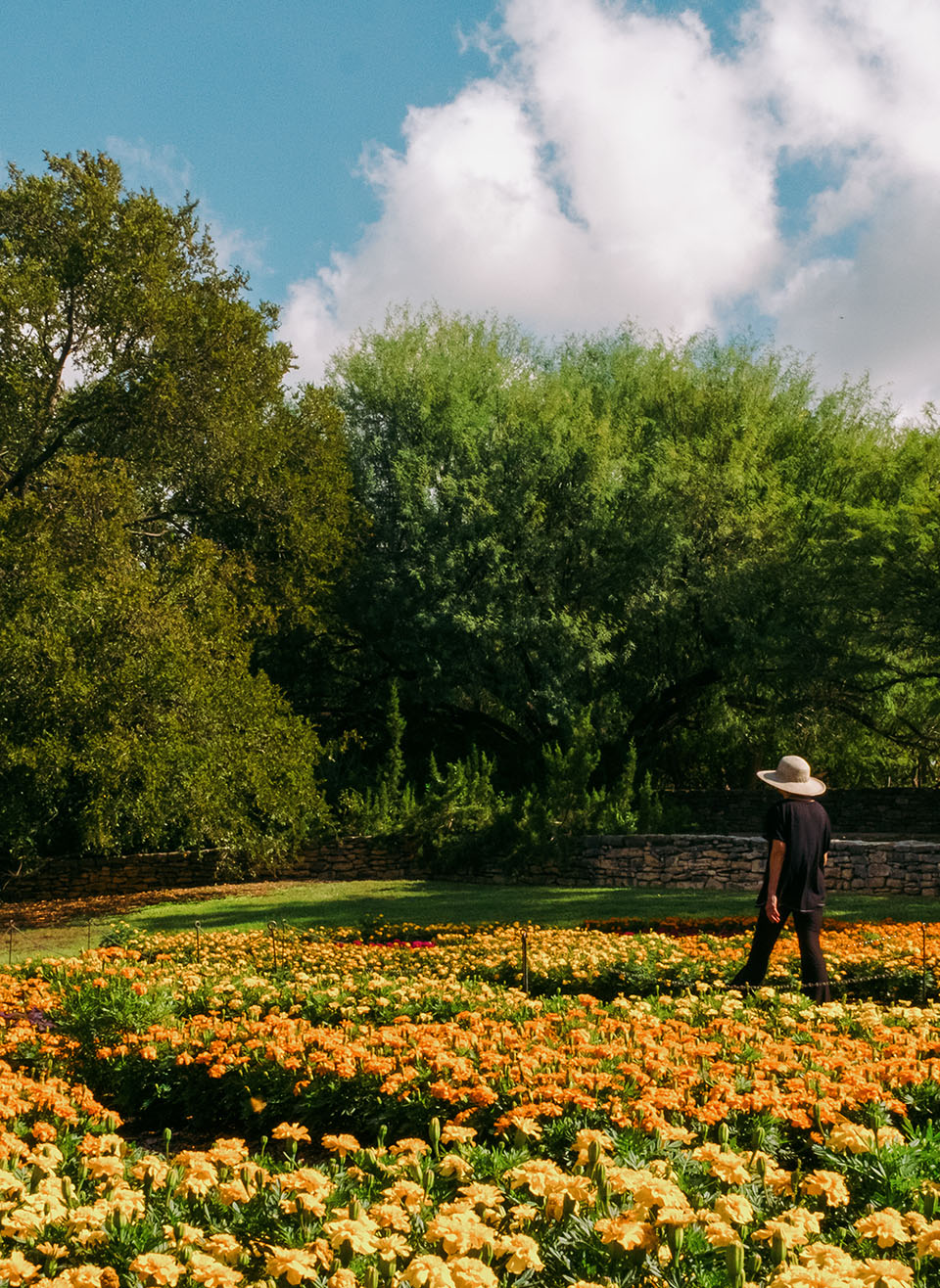
Bearded Iris, Iris sp.
Firebush, Hamelia patens
Four-nerve Daisy, Tetraneuris scaposa
Soap Aloe, Aloe saponaria
Square-bud Primrose, Calylophus berlandieri
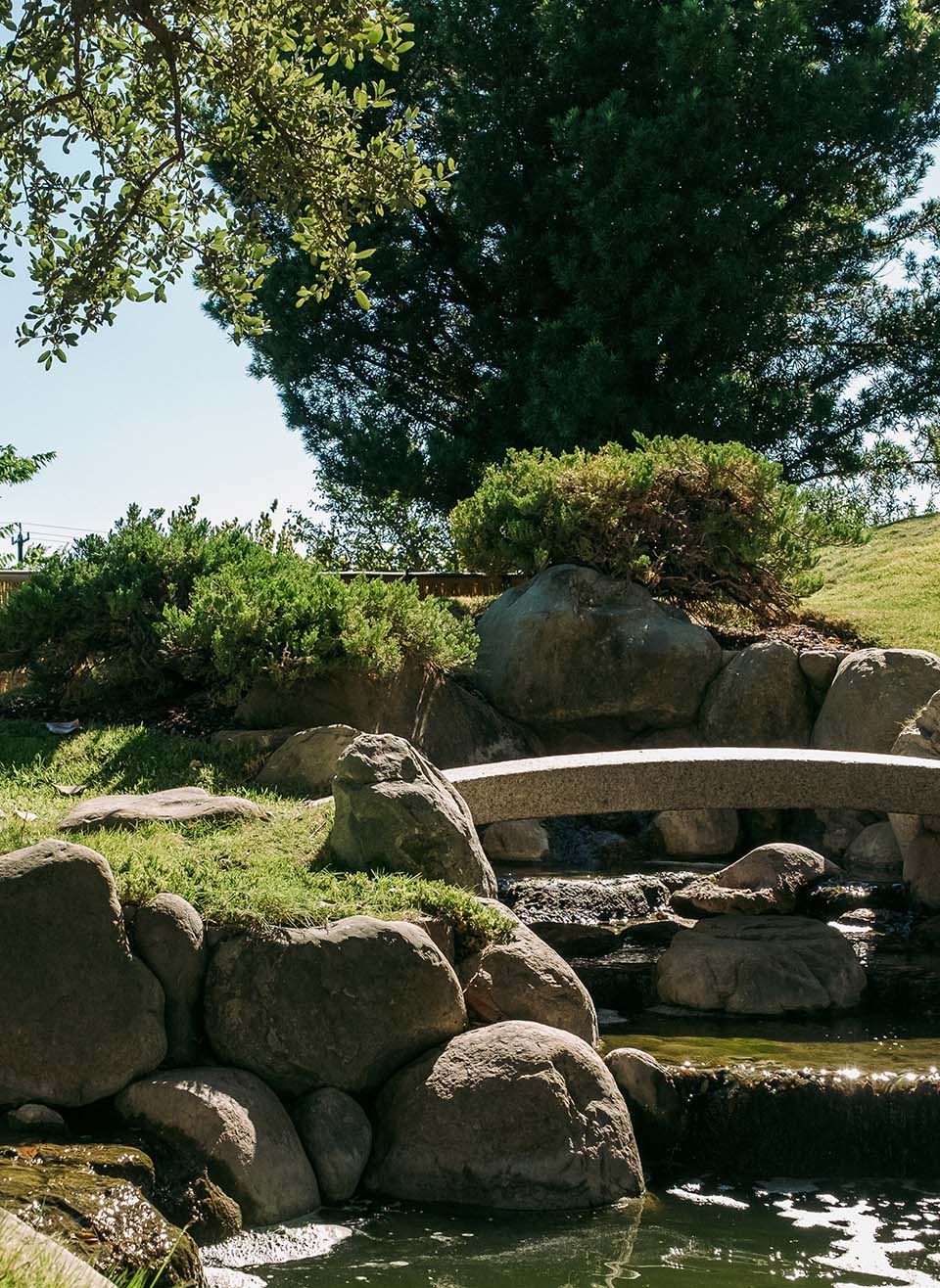
Find over 500 WaterSaver plant selections on GardenStyleSA.com.
Turfgrass
Turfgrass requires more maintenance and more water than other landscapes. Limit turfgrass to areas with a purpose and choose a drought tolerant grass. Warm season turfgrasses for the San Antonio area include:
- Bermuda grass – Full sun. It can be invasive in adjacent beds and hard to remove.
- Buffalo grass – Full sun. This grass has a natural look and does not take high foot traffic. Mow only once or twice a year.
- Zoysia grass – This lawn option can take some shade and traffic.
Recommended turfgrass management practices:
- Do not use turf as a default ground cover. Install it for a reason, such as a play area or for pets.
- Have at least six inches of soil depth.
- Let it go dormant (brown) in the summer.
- Add ¼ to ½ inch of compost in early spring.
Irrigation
A well-planned landscape will need little supplemental irrigation once established. Homes with in-ground irrigation systems use 50%-70% more water than homes without them, averaging 2,000 gallons of water each time it is run. This can easily add up to be more than your monthly indoor water use and affect your water bill.
Best option? Design a WaterSaver landscape that can thrive without an irrigation system.
Tips for irrigation system owners:
- For established landscapes, evaluate areas where plants no longer need regular watering and consider retiring the irrigation system in those areas.
- Learn how to use your controller and only run manually as needed.
- Monitor the system for leaks, breaks, and other costly mishaps regularly.
Ground Covers
Mulch is anything you put in a garden to cover soil. It helps keep moisture in the soil, manages small weeds, and can keep the soil cooler in summer.
Two types of mulch:
- Inorganic: This includes decomposed granite, pebbles, or larger rocks. It needs more maintenance to keep neat. Place away from the street to prevent clogging storm drains.
- Organic: Shredded bark, wood chips, and leaves have the added benefit of decomposing slowly, adding structure and nutrients to the soil. You will need to replace organic mulch annually.
Tip: Leaves are a great free organic mulch, arrive in your yard once a year with no hauling, and build good soil structure as they decompose. Just let them fall and rake them into your beds.
Learn more about mulch and compost at GardenStyleSA.com
Maintenance
The goal of a WaterSaver landscape is to reduce water, eliminate the need for fertilizer and pesticides, and increase biodiversity. These are generally low maintenance yards for most people.
- Hand water to establish plants and then water deeply and infrequently in the absence of rain.
- Prune trees and large shrubs only as needed for shaping or safety.
- Support wildlife by waiting until February to cut back perennials that die back to the roots every winter and return in spring. Seeds and woody stems left throughout the winter provide food and cover for wildlife.
- Stay on top of weeds in new beds for the first one or two years. Once plants are full grown, they will shade out most weeds.
- Mulch beds with organic bark mulch or leaves to minimize weeds.
Tip: Weeding after a rain is easier.
Appropriate watering and pruning will lead to healthier, more sustainable landscapes.
WaterSaver landscapes need no fertilizers or pesticides to thrive. To explore recommended maintenance practices, visit GardenStyleSA.com.
Welcoming Wildlife
Including native plants in landscapes provides three basic habitat elements which will attract and sustain birds, butterflies, hummingbirds, and other wildlife.
- Shelter for protection and nesting – a mix of native or adapted low, medium, and tall evergreen and deciduous shrubs and trees.
- Food for sustenance – a diversity of native and adapted flower colors will attract different pollinators.
- Add a birdbath to cover the last element, water – a simple dish with shallow standing water or a fountain-type will attract a diversity of species.
KYSE WaterSaver Garden and WaterSaver Community Showcase Plants to Know and Grow
Looking for plants that grow best in San Antonio soils and are the most efficient water users? What is good for mulch? What kind of materials do you use for pathways that will still allow water to reach plants? Come and see! The San Antonio Botanical Garden’s KYSE WaterSaver Garden is a co-operative project with the San Antonio Water System and a demonstration for home gardeners.
Located on approximately one-third acre at the top of the hill by the Lucile Halsell Conservatory, the KYSE WaterSaver Garden demonstrates practical home gardening techniques that are the most water friendly. Showcasing drip irrigation and turf bubbler watering techniques, samples of mulches, and permeable paving surfaces and plantings that perform well with San Antonio’s climate and water requirements; the garden offers conservation solutions.
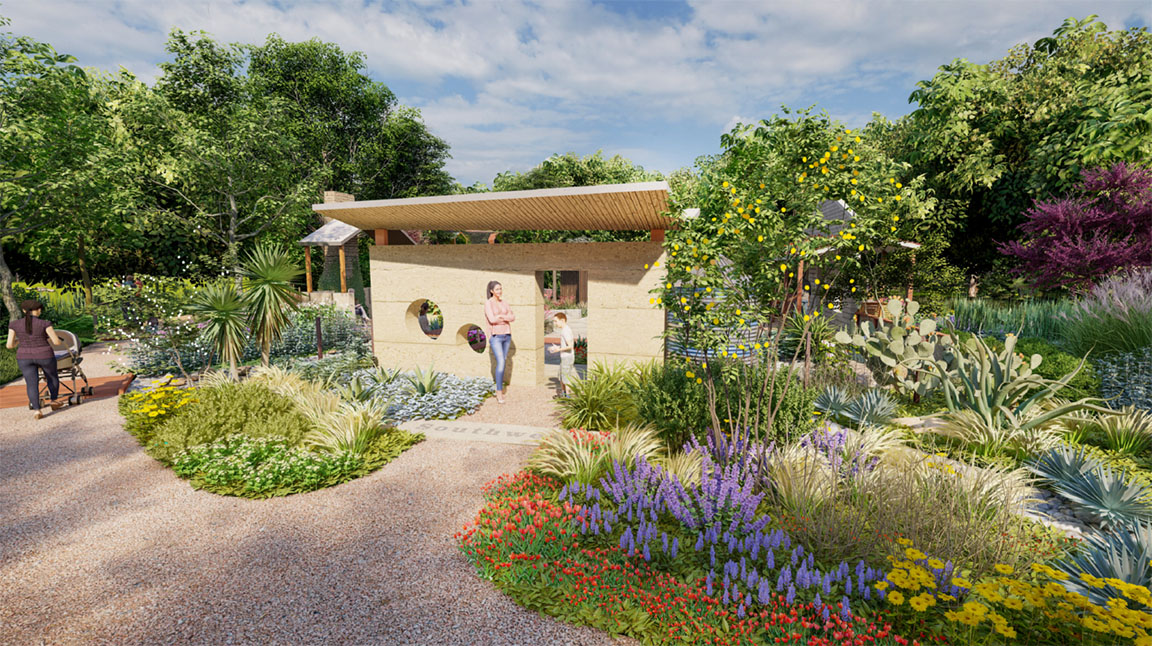
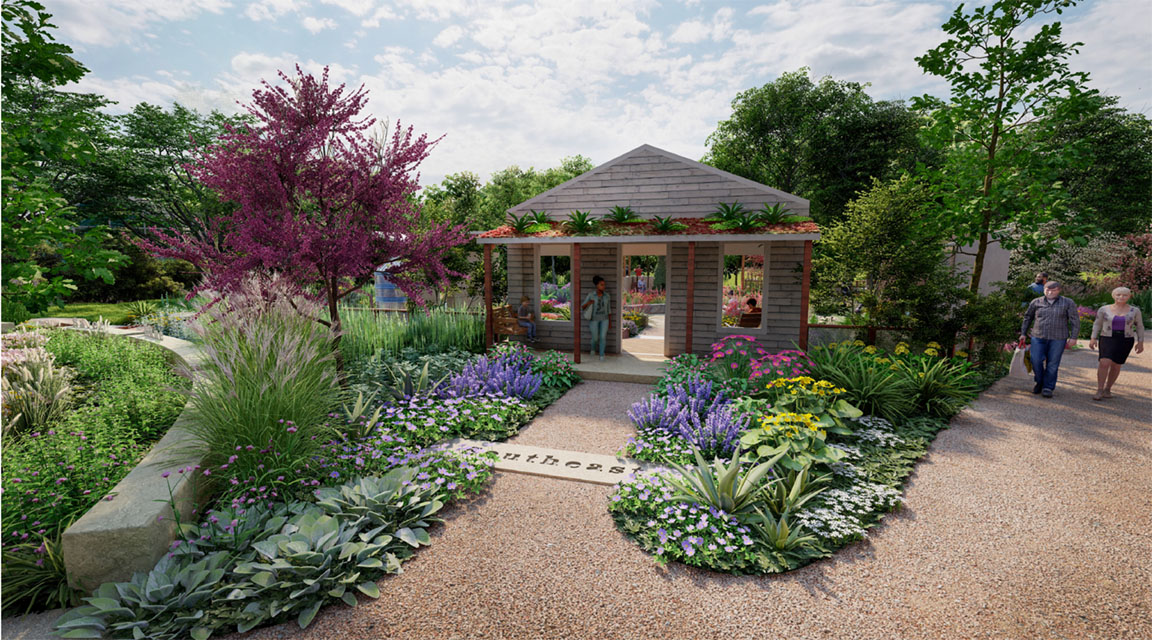
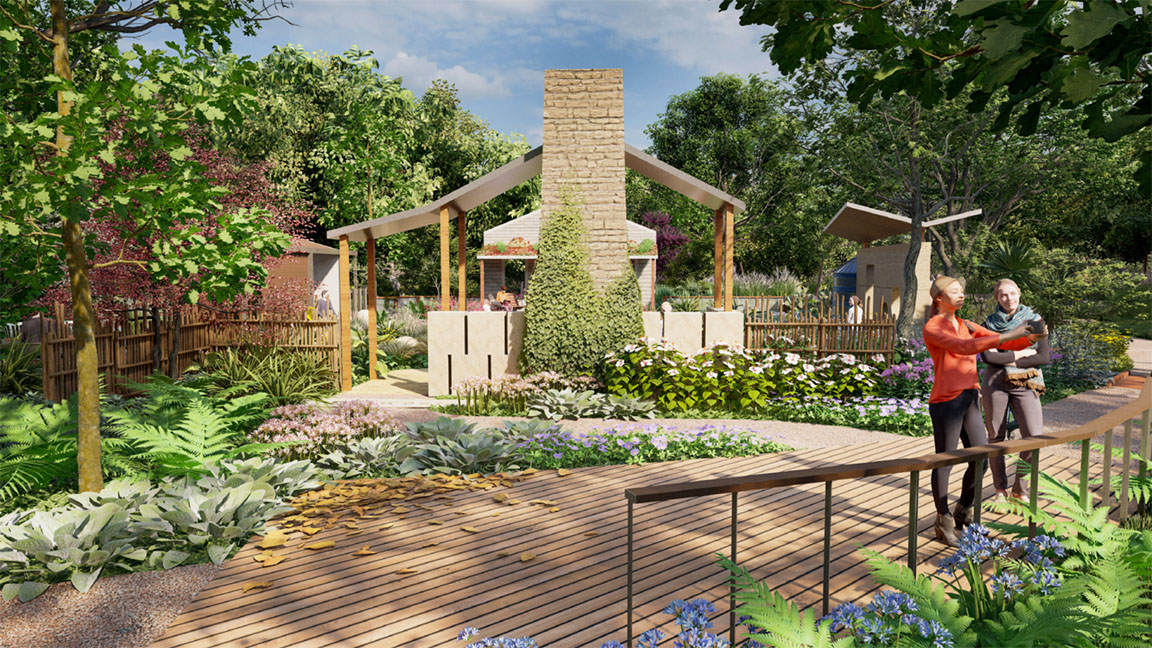
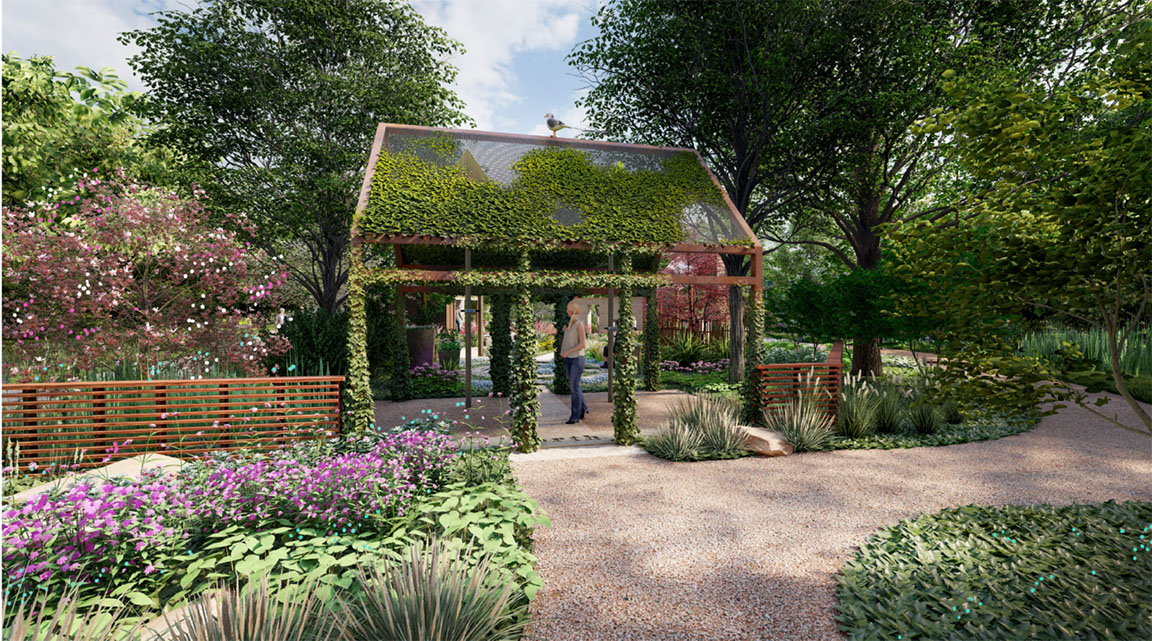
WaterSaver Community features five cottages that demonstrate different types of drought-tolerant landscaping, including one showing what not to plant. Find a variety of landscapes that minimize lawn and include more groundcover, perennial flowerbeds and herbs, native and adapted plants, and patio space.
Get started today with the following resources:
-
- Attend Adult WaterSaver Classes at the Botanical Garden and receive a free copy of a SAWS Landscape Care Guide
- Public Presenters who discuss drought tolerant landscaping
- Guided Group Tours
- Learn on a Nature Walk
- See examples of landscaping in WaterSaver Community and KYSE WaterSaver Garden
Sponsored by the San Antonio Water System (SAWS), WaterSaver Community is an exhibit designed to inspire residents to create beautiful landscapes that conserve water. Located near the Auld House and the Old Fashioned Garden, WaterSaver Community is a wonderful, appealing, and educational neighborhood at the Botanical Garden. It is a charming cluster of miniature cottages with colorful diminutive gardens whose blooms belie their thrifty ways with water. Each tiny cottage is a different architectural style, complemented by its own front yard or attractive well-adapted drought-tolerant plants.
What's Happening
How to Train Your Houseplant

Making Space for Spiders